
What Are the Best Acrylic Tabletop Sign Holders? Your Ultimate Guide to Clear, Durable, and Versatile Display Stands
6th Feb 2026
Acrylic tabletop sign holders are clear Perspex or acrylic display stands designed to present menus, price lists, leaflets and promotional messages on counters and tables with professional clarity. This guide explains why they are a top choice for UK businesses, outlines the main product types such as L-shape and T-shape stands, and shows how to choose the right size and features for retail, hospitality and events. Many operators struggle with visibility, durability and damaged deliveries; this article offers practical selection criteria, maintenance advice and buying checks to avoid common problems. You will find quick comparison tables for types and sizes, checklist-style buying tips for A4/A5/DL formats, and guidance on interpreting reviews and packaging quality. The sections cover material advantages and recyclability, a compact types comparison, a how-to choose checklist with an EAV table for sizes, and practical vendor considerations including how specialist suppliers typically package and dispatch products.
Why Are Acrylic Tabletop Sign Holders the Best Choice for UK Businesses?
Acrylic tabletop sign holders combine optical clarity, light weight and sufficient impact resistance to present printed material clearly while remaining cost-effective for high-turn use. Their transparency improves legibility and perceived professionalism, which directly supports point of sale conversion and guest experience in restaurants, shops and events. The material is available in a range of thicknesses to balance durability and cost, and many stands can be double-sided to maximise exposure in walkways. Below is a concise list of the primary business benefits to target featured snippets and quick decisions.
Acrylic holders offer clear advantages for businesses:
- Clarity and professionalism: they present printed graphics with minimal distortion.
- Durability: thicker acrylic reduces flex and resists shattering compared with thin plastics.
- Versatility: available in L-shape, T-shape, slanted and multi-sided formats for many uses.
These benefits lead naturally into material specifics that explain why acrylic and branded Perspex are common choices for tabletop displays.
What Makes Acrylic and Perspex Ideal Materials for Tabletop Sign Holders?
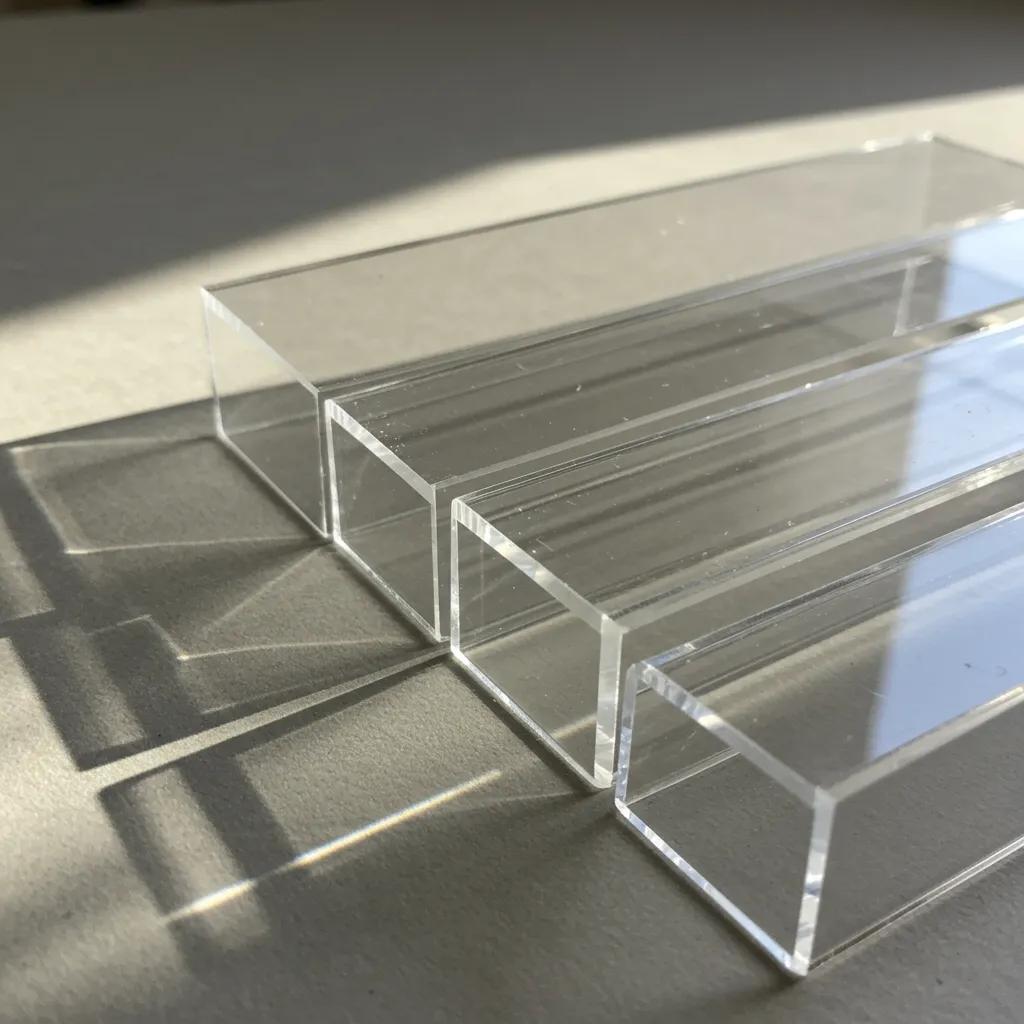
Acrylic (often sold as Perspex) delivers high optical clarity and a flat, glossy surface that enhances print contrast and readability on menus and signage. Typical thicknesses range from around 2mm for lightweight desk displays to 5mm+ for freestanding menu boards; increased thickness improves impact resistance and reduces flex during handling. Acrylic is lighter than glass yet offers good scratch resistance when properly finished, and many suppliers offer recyclable grades to address sustainability concerns. The short table below maps material attributes to buyer benefits for quick appraisal before choosing thickness or finish.
Material attribute mapping for acrylic sign holders:
|
Material Feature |
Benefit |
Value |
|---|---|---|
|
Optical clarity |
Improved legibility |
High |
|
Thickness (mm) |
Durability and rigidity |
2–5+ |
|
Weight vs glass |
Easier handling and transport |
Lower |
|
Recyclability |
Environmental disposal option |
Varies by grade |
This material overview leads into practical examples of how acrylic stands improve displays in retail and hospitality settings.
How Do Acrylic Sign Holders Enhance Professional Displays in Retail and Hospitality?
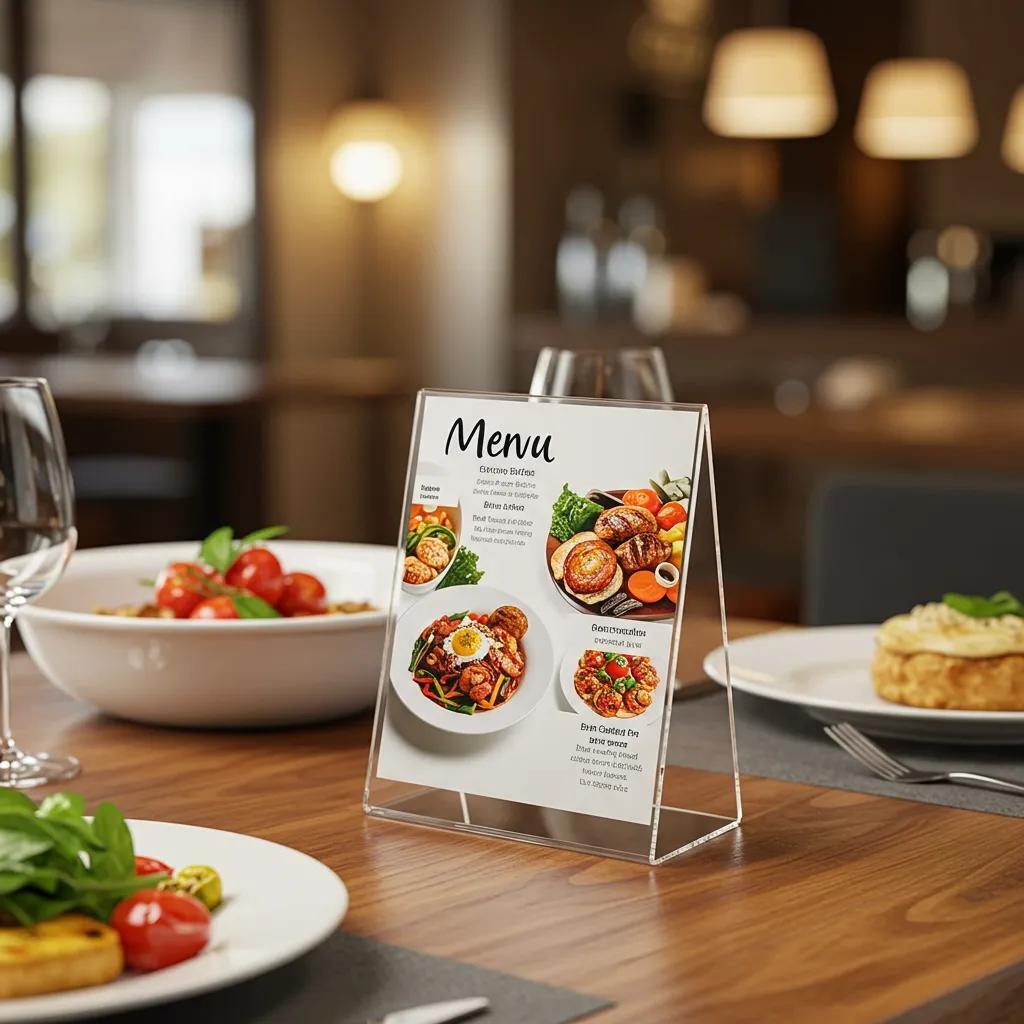
Acrylic sign holders improve customer experience by keeping information neat, readable and accessible at point of decision, such as menus on dining tables or price cards on shelves. In a café, a slanted A5 stand increases readability for seated guests, while a double-sided T-shape on a counter exposes specials to both incoming and waiting customers. These stands reduce clutter compared with free-standing posters and can be updated rapidly by swapping printed inserts, which helps teams maintain accurate pricing and promotions. The following quick examples illustrate common sector uses and how display choice links to customer interaction.
Common use-case pairing:
- Restaurant table: slanted A5 or A4 menu holder for ergonomic reading.
- Retail shelf: small DL or A5 holders for price and product info.
- Events/counters: double-sided T-shape for bidirectional visibility.
This use-case logic sets up a comparison of the main product types available.
What Types of Acrylic Tabletop Sign Holders Are Available?
Acrylic tabletop sign holders come in a handful of standard forms—L-shape, T-shape, slanted, multi-sided and specialty holders—each designed for specific visibility and handling needs. Choosing between them depends on whether you need single- or double-sided visibility, a slanted reading angle, or multi-panel messaging for directional or multi-item displays. The comparison table below summarises type, orientation and best uses so you can match form to function quickly.
|
Type |
Orientation / Double-sided |
Typical use |
|---|---|---|
|
L-shape |
Portrait or landscape / single-sided |
Menus, price lists |
|
T-shape |
Portrait / double-sided |
Counters, aisles |
|
Slanted |
Angled face / single-sided |
Table menus, brochures |
|
Multi-sided |
Multiple faces / double-sided |
Trade shows, info points |
After seeing the main types, use the quick pros/cons list to decide which form suits your venue and traffic flow.
- L-shape pros/cons: easy insert changes; single-sided limits visibility in walkways.
- T-shape pros/cons: double exposure; base size affects stability.
- Slanted pros/cons: ergonomic reading; may collect glare under bright lights.
These type distinctions flow into a closer comparison of L-shape versus T-shape design details.
How Do L-Shape and T-Shape Acrylic Sign Holders Differ in Use and Design?
L-shape stands have a simple sleeve formed by two panels, making them quick to insert prints and ideal for single-sided displays such as a tabletop menu or shelf sign. T-shape holders typically consist of a central panel with a supporting base that allows two faces for messaging, making them better for counters and walkways where customers approach from multiple directions. Design considerations include the base footprint for stability and the edge finish for a premium look; thicker bases and wider footprints reduce tipping in busy environments. Deciding between them depends on whether you prioritise ease of updating prints or maximum exposure in high-traffic areas.
These differences lead to a short comparison of double-sided and slanted stands and their ergonomic advantages.
What Are the Benefits of Double-Sided and Slanted Acrylic Display Stands?
Double-sided acrylic frames double exposure without extra footprint, which increases impressions in corridors and on counters where footfall arrives from both sides. Slanted stands offer an ergonomic reading angle for seated guests or countertop viewers, reducing neck strain and improving readability under ambient lighting. Anti-glare finishes or selecting a gentler slant angle can limit reflections in bright spaces and make menus easier to read. Choose double-sided when traffic approaches from multiple directions and slanted when the primary audience is seated or looking downward.
These form-and-function insights transition into a practical guide for selecting the right size and features.
How Do You Choose the Best Acrylic Tabletop Sign Holder for Your Needs?
Selecting the right acrylic sign holder requires matching size, orientation and material thickness to content, viewing distance and handling frequency. Consider where the signage will sit (table, counter, shelf), how often inserts will change, and whether double-sided display is required; these factors determine ideal thickness, base design and sleeve type. The EAV table below maps common sizes to uses and visibility so you can pick an appropriate format quickly.
|
Size |
Common dimensions |
Recommended uses |
|---|---|---|
|
A4 |
210 × 297 mm |
Full menus, posters on counters |
|
A5 |
148 × 210 mm |
Compact menus, price lists |
|
DL |
99 × 210 mm |
Leaflets, booking slips |
Use the checklist below to evaluate product specs before purchase and ensure the holder meets practical needs.
- Confirm dimensions and orientation match your printed inserts.
- Check material thickness for expected handling frequency and rigidity.
- Verify base stability and anti-slip features for busy environments.
When assessing suppliers, note that reputable providers typically specify packaging methods and product specs to reduce transit damage, and the following paragraph describes how specialist suppliers commonly address these concerns.
Reputable suppliers often list exact thicknesses, finish options and packaging methods to reduce arrival damage. They will describe how items are packed and whether they offer protective film on panels to prevent scratches in transit. Clear specification sheets and dispatch promises help validate a supplier’s reliability before purchase. These supplier practices connect directly to vendor selection advice in the next section.
Which Sizes and Orientations Are Most Suitable: A4, A5, or DL?
A4 is best for full menus and larger posters where readability from a short distance matters, while A5 suits compact menus or product highlights that require less space and easier table placement. DL is ideal for slim leaflets, booking slips or directional messages on countertops where vertical format fits narrow spaces. Orientation choice—portrait or landscape—depends on the layout of your printed content and the table or shelf footprint you have available. Consider print margins and how the holder’s edge finish might mask part of a document when choosing orientation.
This sizing guidance prepares you o evaluate key features and optional extras that affect durability and usability.
What Key Features Should You Look for in Clear Acrylic Menu Holders and Frames?
Look for material thickness appropriate to handling: 3mm–5mm for rigid, frequent-use displays and 2mm for short-term or low-cost needs. Edge finish (polished vs raw), base weight and anti-slip pads improve perceived quality and reduce tip-over risk in busy venues. Optional features such as magnetic closures, hinged designs or business-card pockets add functionality for specific applications. Regular cleaning with a soft, non-abrasive cloth and non-ammonia cleaner maintains clarity and reduces scratch risk, supporting long-term appearance and readability.
These feature checks lead directly into where to buy and how to validate supplier claims and reviews.
Where Can You Buy the Best Acrylic Tabletop Sign Holders in the UK?
You can buy acrylic tabletop sign holders from specialist display suppliers, general marketplaces and office suppliers, with specialist vendors generally offering a wider range of sizes, finishes and packing care. Specialist suppliers typically provide detailed product specs, faster dispatch options and clearer policies on returns and damage handling; marketplaces may offer price variety but require careful review scrutiny. Before buying, verify dimensions, material thickness and packaging details to reduce risk of arrival damage, and consult customer photos and comments for recurring issues. The short vendor checklist below helps compare purchase options quickly.
- Confirm detailed product specs (thickness, finish, orientation).
- Check dispatch promises and packaging methods for fragile acrylic.
- Prioritise reviews with photos and specific measurements to validate claims.
What Are the Advantages of Buying from Specialist Suppliers Like Retail Display Direct?
Specialist suppliers such as Retail Display Direct focus on display solutions and often list dedicated acrylic categories that include tabletop sign holders, wall frames and countertop brochure holders. These suppliers typically offer a broad range of sizes and styles, clear product specifications and competitive pricing, and they emphasise fast dispatch for many orders, including same-day dispatch on selected lines. Buyers benefit from better packaging practices aimed at preventing breakage, and some suppliers promote lowest-price guarantees to simplify comparison shopping. These supplier strengths address common buyer concerns about damaged arrivals, specification clarity and delivery speed.
This supplier overview leads into how to interpret reviews and ratings to validate claims.
How Do Customer Reviews and Product Ratings Influence Acrylic Sign Holder Selection?
Customer reviews and ratings help surface consistent themes such as packaging quality, build durability and accuracy of dimensions; prioritise feedback that includes photos and repeat mentions of the same issue. Look for comments that reference dispatch times and returns experience to confirm supplier promises, and treat isolated negative reviews differently from patterns in multiple independent reviews. Use the red-flag checklist below when scanning ratings to reduce purchase risk and choose a supplier with verifiable reliability.
Review red flags to watch for:
- Repeated reports of "arrived broken" or poor packaging across many reviews.
- Lack of photos or vague feedback that doesn’t confirm dimensions or finish.
- Conflicting statements about dispatch times and returns policy.
These review checks complete the buying guidance and close the guide on choosing durable, visible and appropriately specified acrylic tabletop sign holders.