
Wall-Mounted Brochure Holder Styles Explained: Materials, Configurations, and Uses
16th Jan 2026
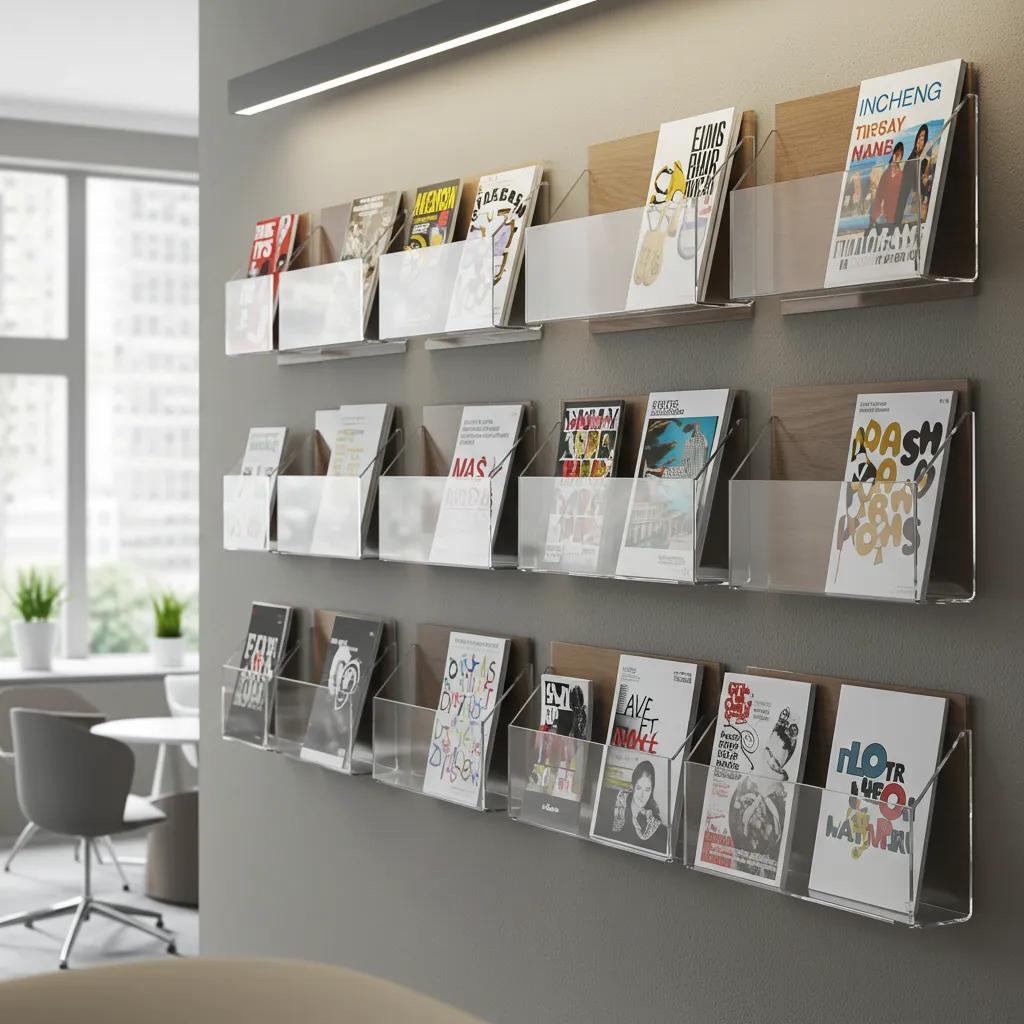
Wall-mounted brochure holders are fixed literature displays designed to present leaflets, trifold brochures, magazines and other printed materials clearly and accessibly on vertical surfaces. Choosing the right style affects visibility, durability and how visitors interact with your information, so understanding materials, pocket layouts and outdoor options is essential. This guide explains the main materials used in wall-mounted brochure holders, compares single, multi-pocket and tiered configurations, and outlines outdoor features plus installation and maintenance best practice. Readers will gain practical selection criteria for business settings, including size mapping for A4, A5, DL and trifold formats, and actionable maintenance routines that extend service life. Throughout, the article references related entities like mounting brackets, hinged lids, weatherproof seals and phygital integration such as QR code placement to help you choose and deploy holders effectively.
What Are the Main Materials Used in Wall-Mounted Brochure Holders?
A material choice determines a holder’s transparency, durability, cost and aesthetic, which in turn dictates best-use scenarios across retail, office and public environments. Common material families include clear acrylic for visibility, metal for robustness, wood for traditional interiors and engineered plastics for cost-effective, weather-resistant options. Understanding each material’s trade-offs helps match a holder to brochure type, footfall and brand appearance. The table below summarises those material attributes to aid quick comparison before deeper subsection detail.
Different materials offer distinct advantages for literature display needs.
|
Material |
Key Attributes |
Best Uses |
|---|---|---|
|
Acrylic |
High transparency, modern look, lightweight |
Reception desks, retail counters, clear A4/A5 displays |
|
Metal |
Structural strength, varied finishes, high durability |
High-traffic areas, industrial settings, outdoor-adjacent walls |
|
Wood |
Warm aesthetic, heavier, customizable finishes |
Boutique stores, hospitality lobbies, traditional offices |
|
Plastic (PVC/polycarbonate) |
Cost-effective, mouldable, some UV-stable grades |
Budget retail, temporary displays, covered outdoor spots |
This comparison highlights how acrylic suits high-visibility indoor displays while metal and certain plastics meet heavier-duty or outdoor-adjacent demands.
What Are the Features of Acrylic Wall-Mounted Brochure Holders?
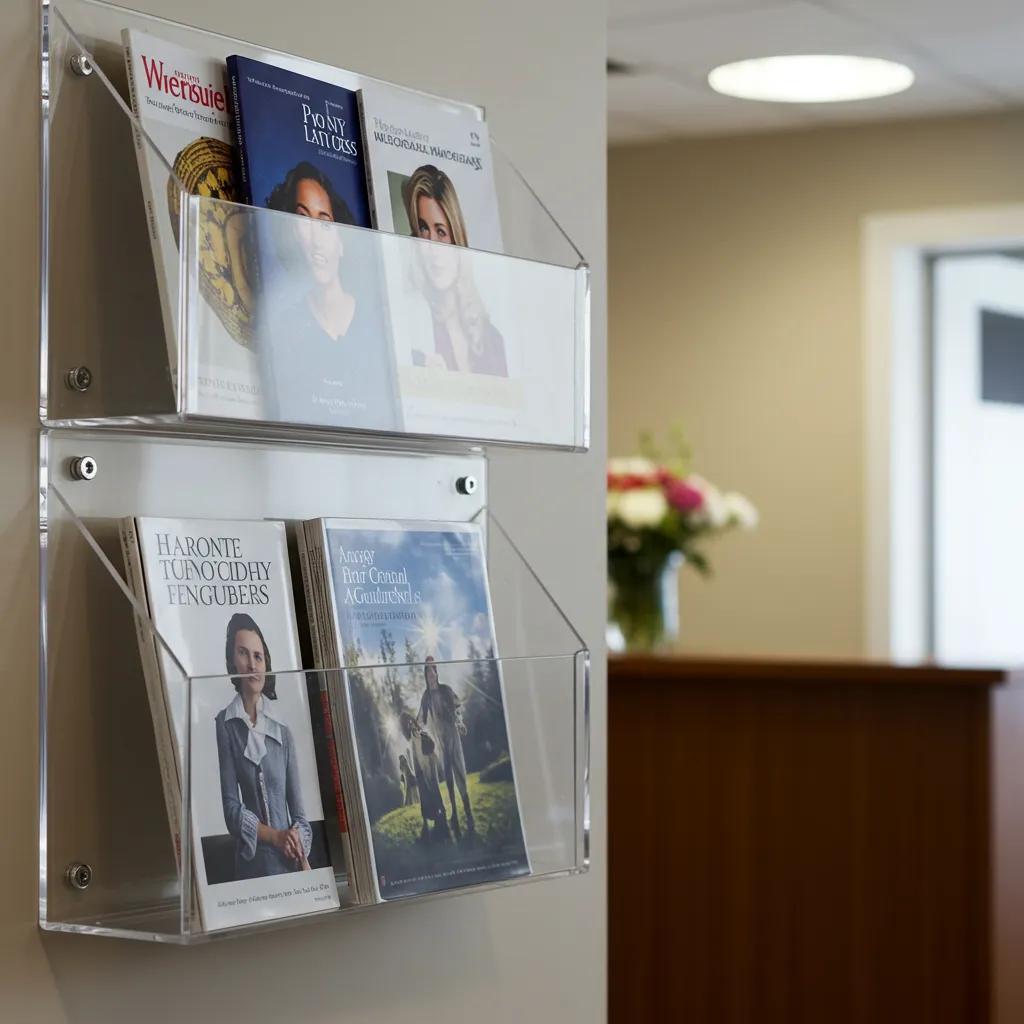
Acrylic wall-mounted brochure holders provide crystal-clear visibility and a contemporary appearance that keeps printed material prominent without visual distraction. Their smooth surfaces are easy to clean with non-abrasive cloths and mild detergents, but they can scratch if handled roughly and some grades may yellow under prolonged UV exposure. Acrylic pockets are commonly offered in A4, A5 and DL sizes and in single or multi-pocket arrangements, making them versatile for reception areas and retail counters. Regular gentle cleaning and avoiding abrasive cleaners prolong clarity and maintain a professional presentation.
How Do Metal Wall-Mounted Brochure Displays Differ in Durability and Style?
Metal holders deliver superior structural strength and resist deformation in high-traffic settings, with finishes such as powder-coating or stainless treatments improving corrosion resistance. Design options include solid panels, perforated faces and mesh pockets, each affecting weight and visual openness; perforated or mesh styles reduce wind load for semi-outdoor spots. Mounting metal units requires appropriate anchors and often heavier-duty fixings to support additional weight, and surfaces can need periodic rust-checks where finishes are damaged. For industrial or high-use public spaces, metal balances longevity and a defined aesthetic.
How Do Different Pocket Configurations Affect Wall-Mounted Brochure Holders?
Pocket configuration sets capacity, brochure visibility and how users scan available literature; configuration choice should follow the number and type of items you display. Single-pocket holders promote focused messaging and work well for a single campaign or prominent A4 displays. Multi-pocket units allow parallel presentation of several titles but need organisation to avoid clutter, while tiered systems prioritise visibility of stacked sizes like magazines and A4 leaflets. The short table below maps configuration to capacity and placement guidance.
Configuration affects both visitor behaviour and stocking strategy.
|
Configuration |
Capacity |
Typical Brochure Sizes |
Best Placement |
|---|---|---|---|
|
Single pocket |
Low (1 title) |
A4, A5, DL, trifold |
Reception desks, feature walls |
|
Multi-pocket (2–6) |
Medium |
Mixed A5/DL/A4 |
Waiting rooms, counters |
|
Tiered (stacked tiers) |
High |
A4, magazines |
Visitor centres, libraries |
Use these rules of thumb to plan how many copies to stock per pocket based on expected footfall and campaign duration.
What Are the Benefits of Single Pocket Wall-Mounted Brochure Holders?
Single-pocket wall-mounted brochure holders simplify messaging by spotlighting one document or campaign, which increases the chance a visitor reads that single piece. They occupy minimal wall area and typically cost less than multi-pocket systems, making them ideal for targeted promotions or directional information. Mounting them near eye level on corridors, reception areas or beside service counters improves pick-up rates and keeps the layout uncluttered. For trifold brochures or DL flyers, choose a pocket depth that prevents slumping while allowing easy removal.
When Should You Choose Multi-Pocket or Tiered Brochure Holders?
Choose multi-pocket or tiered holders when you need to display several titles simultaneously and allow comparative browsing by visitors, such as in waiting rooms, tourist centres or multi-service counters. Multi-pocket units work well where space is limited but multiple leaflets must be offered, while tiered racks are preferable for magazine-style materials or where larger A4 stacks are needed. Balance visibility against capacity: more pockets mean smaller visible face per item, so prioritise key titles and rotate content to avoid visual overload. Organise pockets by topic or audience to support quick selection and replenishment.
Which Wall-Mounted Brochure Holders Are Suitable for Outdoor Use?
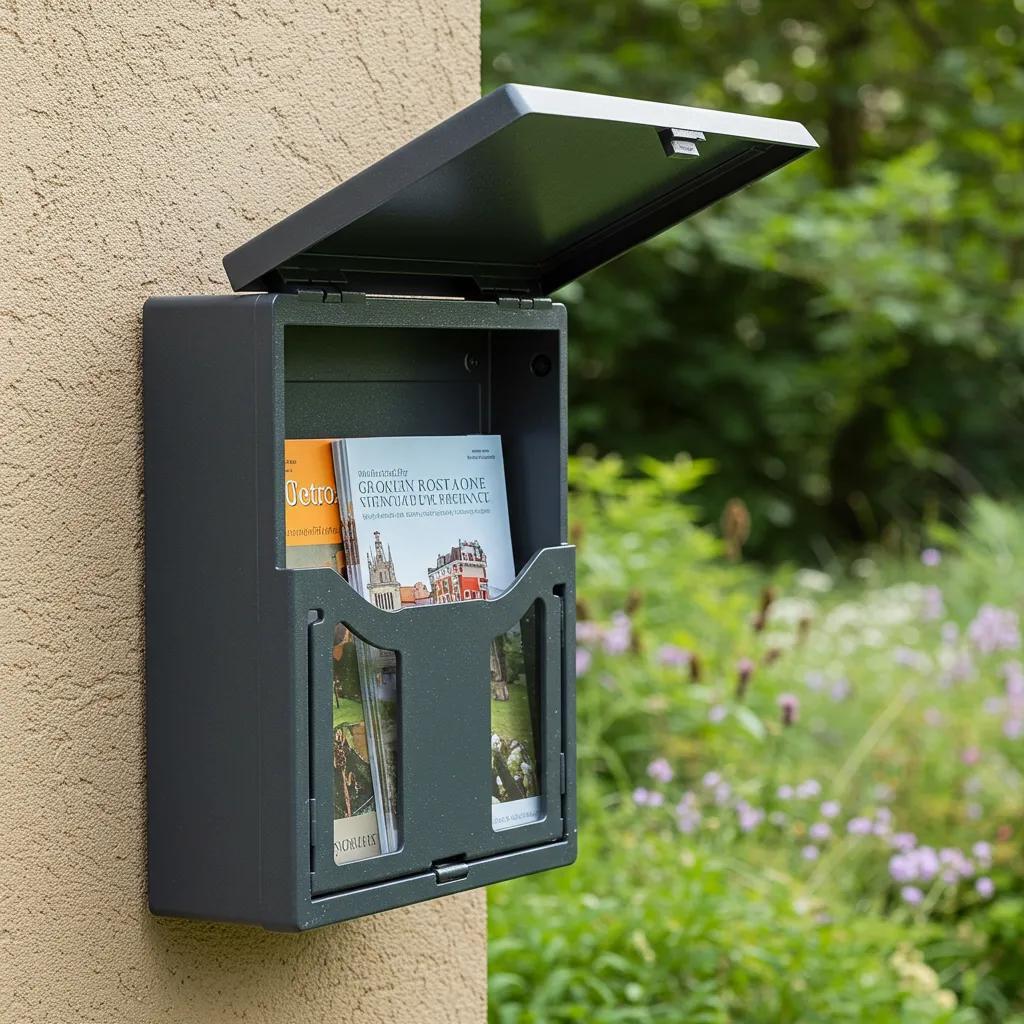
Outdoor suitability depends on weatherproof design features, UV-stable materials and secure mounting; not all holders are appropriate for exposed external walls. Effective outdoor models incorporate hinged lids, gasketed seals, drainage pathways and corrosion-resistant materials to protect contents from water, dust and sun. Installation should favour sheltered, well-drained positions and include tamper-resistant fixings where security is a concern. Below is a compact table showing key outdoor features and maintenance considerations to guide procurement and upkeep.
Outdoor holders must balance protection and accessibility for long service life.
|
Feature |
Benefit |
Maintenance Consideration |
|---|---|---|
|
Hinged lid with latch |
Keeps rain out and allows easy restocking |
Check hinges and latches monthly |
|
Weatherproof seal/gasket |
Prevents moisture ingress |
Inspect seals seasonally and replace if brittle |
|
UV-stable material/coating |
Prevents yellowing and brittleness |
Clean and inspect for UV damage annually |
Suppliers list outdoor models with these features; for example, Retail Display Direct includes outdoor-rated options that specify hinged lids and seals for brochure protection.
What Features Make Outdoor Wall-Mounted Brochure Boxes Effective?
Effective outdoor wall-mounted brochure boxes combine a tight lid seal, UV-stable materials and secure fastening to prevent water ingress, fading and theft. A sloped lid and drainage ports help prevent standing water, while locks or tamper-resistant latches improve security in public locations. Materials such as powder-coated steel, polycarbonate or UV-stabilised plastics resist corrosion and sunlight degradation better than untreated components. Selecting the right combination of features reduces maintenance needs and preserves printed materials in exposed environments.
How to Maintain and Install Outdoor Brochure Holders for Longevity?
Correct installation begins with choosing appropriate anchors for the wall substrate and ensuring the unit is mounted slightly angled to shed water and prevent pooling. Regular maintenance includes cleaning seals, lubricating hinges, and replacing damaged gaskets or fastenings before they fail; a seasonal checklist reduces emergency repairs. In winter or high-UV seasons perform additional inspections for seal brittleness or coating degradation and tighten fixings as part of preventive care. Following these routines increases lifespan and keeps contents legible and dry.
How Do You Choose the Right Wall-Mounted Brochure Holder for Your Business?
Choosing the right holder starts with a checklist that accounts for brochure size, expected footfall, brand aesthetic and mounting surface, then narrows options by material and configuration. First, identify dominant brochure formats (A4, A5, DL, trifold) and required capacity; second, match material to environment and brand image; third, decide on single or multi-pocket layouts based on how many titles you present concurrently. Consider phygital needs such as reserved space for QR codes or small business card pockets to pair print with digital engagement. The following checklist converts these considerations into actionable steps for procurement.
Use this decision flow to match functional needs with aesthetic goals before purchasing.
1. Determine primary brochure size and average thickness to select pocket depth.
2. Assess location exposure and footfall to decide material and durability requirements.
3. Match material finish to brand aesthetic and visitor expectations for the space.
For practical sourcing examples, Retail Display Direct lists a range of wall-mounted brochure holder categories and sizes to compare options for common business scenarios. Browse Retail Display Direct or view their Google Business Profile to explore category pages and find models that meet the checklist criteria.