
Unlock the Power of Cork Boards in Your Space: Ideas, Uses, and Benefits for Organisation and Creativity
6th Jan 2026
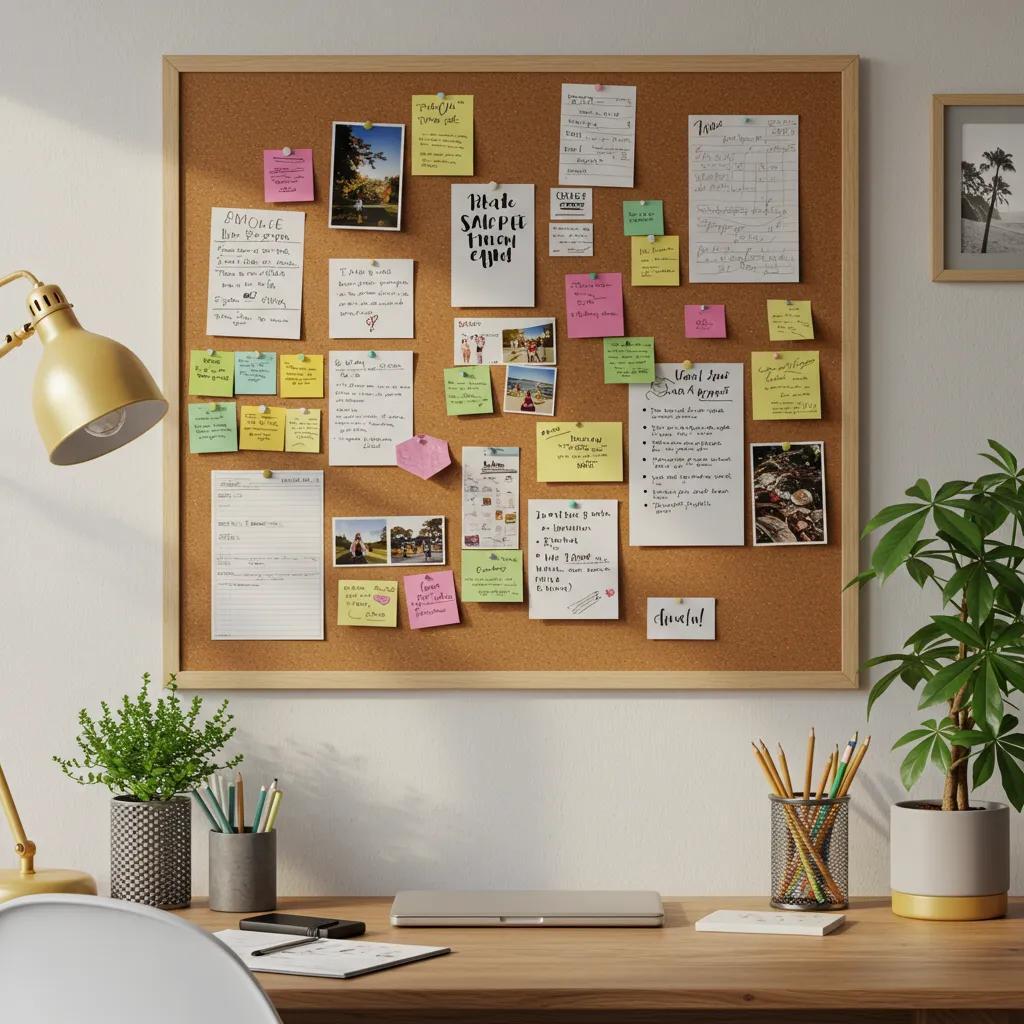
Cork boards are tactile display surfaces made from natural cork that let you pin notes, photos and reminders in a single visible place, improving task visibility and creative planning. This article explains how to use cork boards effectively, outlines their practical benefits such as sustainability and self-healing, and offers room-by-room styling and DIY ideas to make them both functional and attractive. Many households and small offices struggle with scattered paper, forgotten tasks and uninspiring workspaces; a properly zoned cork board solves those problems by centralising information and encouraging physical interaction with priorities. You will find step-by-step organisation tips, quick productivity tactics, creative display concepts and placement guidance that work for kitchens, home offices and family command centres. The guide also compares cork boards to related display solutions and provides simple maintenance routines to keep your board effective and long-lasting. Read on to discover practical cork board uses, cork board ideas, and how to organise with a cork board for the best results.
How Can Cork Boards Transform Your Organisation and Productivity?
A cork board transforms organisation by acting as a visible hub for tasks and ideas, reducing cognitive load through externalised memory and clear visual priority. Its mechanism is straightforward: pinned items remain in sight, which increases follow-through and reduces task-switching, so routines become easier to manage. For productivity, cork boards support zoning and quick reorganisation, and they pair well with simple tools like pins, clips and pocket organisers to make workflows tactile and immediate. The next subsections outline specific organisation tips for home and office settings and explain how visibility and interaction boost productive habits.
What Are Effective Cork Board Organisation Tips for Home and Office?
This section provides practical, repeatable organisation tips to set up a cork board that reliably supports daily routines and longer-term projects. Begin by defining one clear purpose per board — for example, weekly planning or inspiration — and label zones so items have a consistent home. Use colour-coded pins or coloured paper to indicate priority and deadlines, and include a small pocket or clipboard for receipts and loose notes. Rotate content regularly to avoid clutter and archive older items to a file box. Durable push pins and small binder clips make switching items fast and keep the surface orderly. These simple rules make a cork board an effective centre for task management and communication.
- Use a single clear purpose per board to avoid mixed signals.
- Label zones (Urgent, This Week, Reference) so everyone knows where to pin.
- Colour-code priorities with pins or paper for instant recognition.
- Add a pocket or clipboard for loose items that otherwise fall off.
- Rotate and archive weekly to maintain relevance and reduce clutter.
- Choose sturdy pins and clips to prevent sagging and repeated damage.
A compact layout and consistent rotation schedule keep the board functional and prevent the collection of outdated items, which leads naturally to how cork boards support family and home office productivity.
How Do Cork Boards Boost Productivity in Home Offices and Family Spaces?

Cork boards boost productivity by converting invisible commitments into visible cues that prompt action and reduce forgetfulness. When a family places a weekly meal plan and a shared calendar on a central board, members see responsibilities at a glance and co-ordinate without repeated reminders. In a home office, a sprint board with priority tasks, deadlines and a small visual timer makes deep-work sessions easier to start and manage. Physical pinning creates commitment — handling a card or note reinforces intention — and the tactile routine supports habit formation. These effects combine to reduce interruptions and increase completion rates, which means more reliable routines and clearer communication across household and work tasks.
What Are the Key Benefits of Using Cork Boards in Your Space?
Cork boards offer a set of material and functional benefits that make them versatile across domestic and professional spaces. The material is renewable and naturally insulating, the surface self-heals after pin removal which prolongs usable life, and cork panels are adaptable — framed, unframed or combined with other display types — so they suit many design approaches. Cost-effective options mean you can deploy multiple boards for zoned systems without large expense, and cork also provides modest acoustic dampening which helps in busy family hubs or small offices. The following table summarises these key attributes and practical benefits to help you compare features quickly.
The table below compares core cork board attributes and the user benefits they deliver.
|
Attribute |
Characteristic |
Practical Benefit |
|---|---|---|
|
Sustainability |
Made from cork oak bark, renewable harvesting |
Low environmental impact and natural aesthetic |
|
Self-healing |
Compresses and recovers after pin removal |
Longer lifespan with repeated use |
|
Durability |
Resists everyday wear when rotated |
Suitable for high-use areas like classrooms or kitchens |
|
Cost-effectiveness |
Affordable panel and framed options |
Enables multiple boards for zoning without large cost |
This comparison highlights why cork boards are a durable, eco-friendly and practical choice for everyday display and organisation, and it leads into a short supplier note for readers who want to source cork board & pinboard products locally.
Retail Display Direct is an Australian supplier of display solutions that lists Cork Board & Pinboard among its products and can serve as a sourcing option for those who prefer a local vendor. As a supplier, they promote same-day dispatch on most orders placed before 11am and advertise a lowest-price guarantee or they will beat a competitor's price. Mentioning a supplier helps readers who want to act on the organisation ideas above while keeping the focus on practical selection and installation.
Why Are Cork Boards Eco-Friendly and Sustainable Display Solutions?
Cork is harvested from the bark of cork oak trees in a way that preserves the living tree, making it a renewable material and a strong sustainability choice for display surfaces. The harvesting process allows the bark to regrow, so cork production does not require tree felling and supports long-term material availability. Consumers increasingly seek natural materials, and cork’s renewable profile pairs well with low-waste interiors where longevity and repairability matter. Choosing cork aligns with contemporary preferences for eco friendly cork board options that balance aesthetics, environmental considerations and everyday performance.
Cork: A Sustainable Material for Structural Components and Polymers
During the transition towards sustainable practices, cork has emerged as a pivotal material. Its distinctive cellular structure and chemical composition, encompassing suberin, lignin, cellulose, and extractives, underpin a multitude of properties. The honeycomb arrangement of cells confers upon cork advantages such as lightweightness, insulation, thermal regulation, and rem
How Do Cork Boards Offer Durability and Self-Healing Properties?
Cork’s cellular structure compresses under a pin and then partially recovers when the pin is removed, which is the practical meaning of self-healing in this context. To maximise lifespan, avoid concentrating many pins in one small area; instead rotate pin locations and distribute wear across the surface. For heavy items, supplement pinning with adhesive-backed pockets or small shelves; for very high-use settings, choose thicker unframed cork panels or framed boards that allow replacement of the cork insert. These simple maintenance practices ensure cork boards remain attractive and functional for years in classrooms, offices and family command centres.
What Creative Cork Board Display Ideas Can Enhance Your Space?
Cork boards are an ideal canvas for creative and decorative displays that still retain practical function; they work as mood boards, seasonal galleries and feature walls that combine photos, notes and small objects. Styling choices such as a thin timber frame for a Scandi look or a metal frame for industrial spaces let the board match room aesthetic while serving as a working display. DIY updates like fabric covers, painted frames and added pockets create custom pieces that suit bedrooms, living rooms and kitchens alike. The following ideas offer fast transformations that deliver both visual appeal and organisation.
How Can You Style and Decorate Cork Boards for Any Room?
Styling a cork board begins with choosing a frame and pin palette that complement the room; a wooden frame and muted pins suit a living room, while colourful pins enliven a child’s bedroom. In the kitchen, pair a cork board with a magnetic recipe card strip or a small shelf for spice jars to make it a functional recipe hub. In bedrooms and home studios, use a cork board as a layered mood board, combining photos, fabric swatches and inspirational quotes for projects. Consistent colour-coding and neat layering keep displays readable and attractive, making the board both decorative and useful for daily tasks and creative planning.
What Are Simple DIY Cork Board Makeovers and Customisation Ideas?
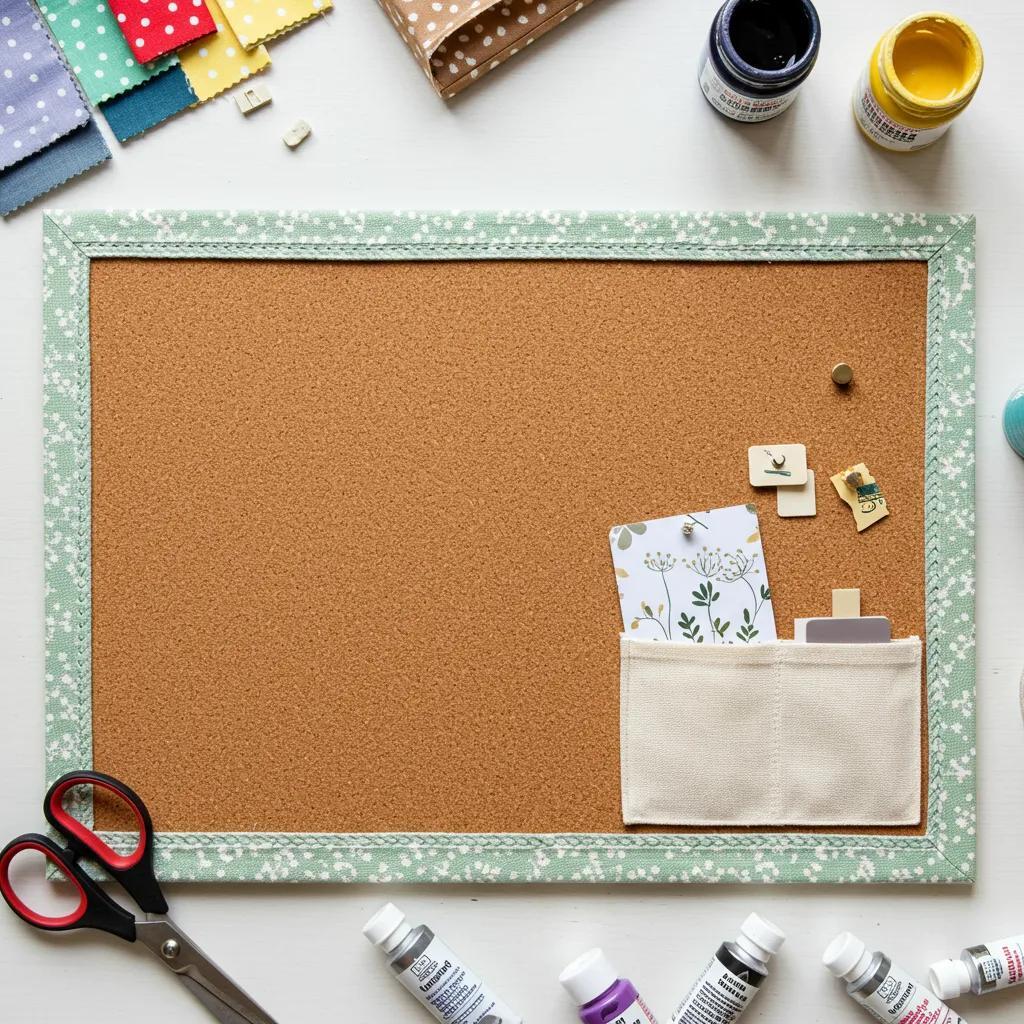
Short DIY projects can transform a basic cork panel into a tailored display with minimal tools and time. For a fabric-wrapped board: warm the cork slightly, wrap with your chosen fabric, and staple neatly at the back; add trim for a finished edge. To refresh a frame: sand lightly, apply two thin coats of paint and seal with a satin varnish for durability. For added function, attach small canvas pockets or adhesive-backed organizers for phones, pens and receipts. These three quick makeovers upgrade appearance and utility while keeping costs low and installation straightforward.
How Do You Use Cork Boards Effectively for Communication and Visual Planning?
Using a cork board effectively for communication and planning involves selecting the right content and arranging it for immediate comprehension, then maintaining the board so items remain current. Begin with a clear layout template — for example, a weekly planning grid — and decide which items are permanent references and which are temporary actions. Use high-contrast pins for urgent items and designate a corner for inspiration or rotating project notes. The table below maps intended uses to recommended items and layout suggestions to make setup quick and repeatable.
The following table links specific intended uses to recommended items and simple layout choices to help you implement a communication or planning board.
|
Intended Use |
Recommended Items |
Example / Recommended Layout |
|---|---|---|
|
Weekly scheduling |
Wall calendar, sticky notes, colour-coded pins |
Top-left for urgent tasks, top-right for appointments |
|
Team notices |
Role list, contact cards, update cards |
Central column for active notices, left column for archive |
|
Inspiration & mood boards |
Photos, fabric swatches, sample tags |
Clustered collage area with labelled sections |
|
Reference hub |
Important contacts, quick-reference guides |
Right-hand side as a static reference zone |
This mapping clarifies what to pin and where to position items so a board becomes a reliable visual workflow centre, which leads into specific pinning recommendations below.
What Should You Pin on a Cork Board for Maximum Impact?
Prioritise items that drive action and reduce decision friction: a visible calendar, a concise to-do list and any deadlines should occupy prominent positions. Place urgent items in the top-left quadrant for quick scanning, keep reference materials like contact details or instructions on the right, and reserve a small area for inspiration to maintain motivation. Rotate pinned materials weekly and remove obsolete notes promptly; this keeps the board relevant and prevents visual overload. Limiting what you pin to essentials increases clarity and ensures that the board supports decision-making rather than creating more noise.
Where Is the Best Place to Position Your Cork Board for Organisation and Decoration?
Mount cork boards at eye level for the primary users, typically about 150–160 cm from the floor in common Australian interiors, so contents are immediately legible when standing or sitting. Place the board near task areas: above a kitchen counter for recipes, beside a desk for work sprints, or in a hallway for family schedules, where frequent glances are natural. Avoid direct sunlight and damp locations to protect cork; choose a spot with good indirect light to keep pins and paper readable. Careful placement ensures the board functions as both an organisational hub and an integrated decorative element in the room.
- Position at eye level for the main user so content is easy to read.
- Situate near active work zones to encourage regular reference.
- Protect from direct sunlight and moisture to extend material life.
These placement rules complete the practical guidance on using cork boards for planning, organisation and decoration, and they connect to related display options for readers comparing solutions.
- Related display solutions include whiteboards, magnetic boards and pegboards as alternative or complementary tools.
- Combine cork with dry-erase panels or magnetic strips for hybrid systems that handle both notes and erasable planning.
- Use cork where tactile pinning and natural aesthetics are priorities; choose alternatives where erasability or tool hanging is required.
This comparison helps determine when a cork board is the best choice and when to pair it with sibling entities for a more capable display system.