
Plastic vs Metal Crowd Barriers: Which One Suits You Best for Effective Crowd Control?
13th Feb 2026
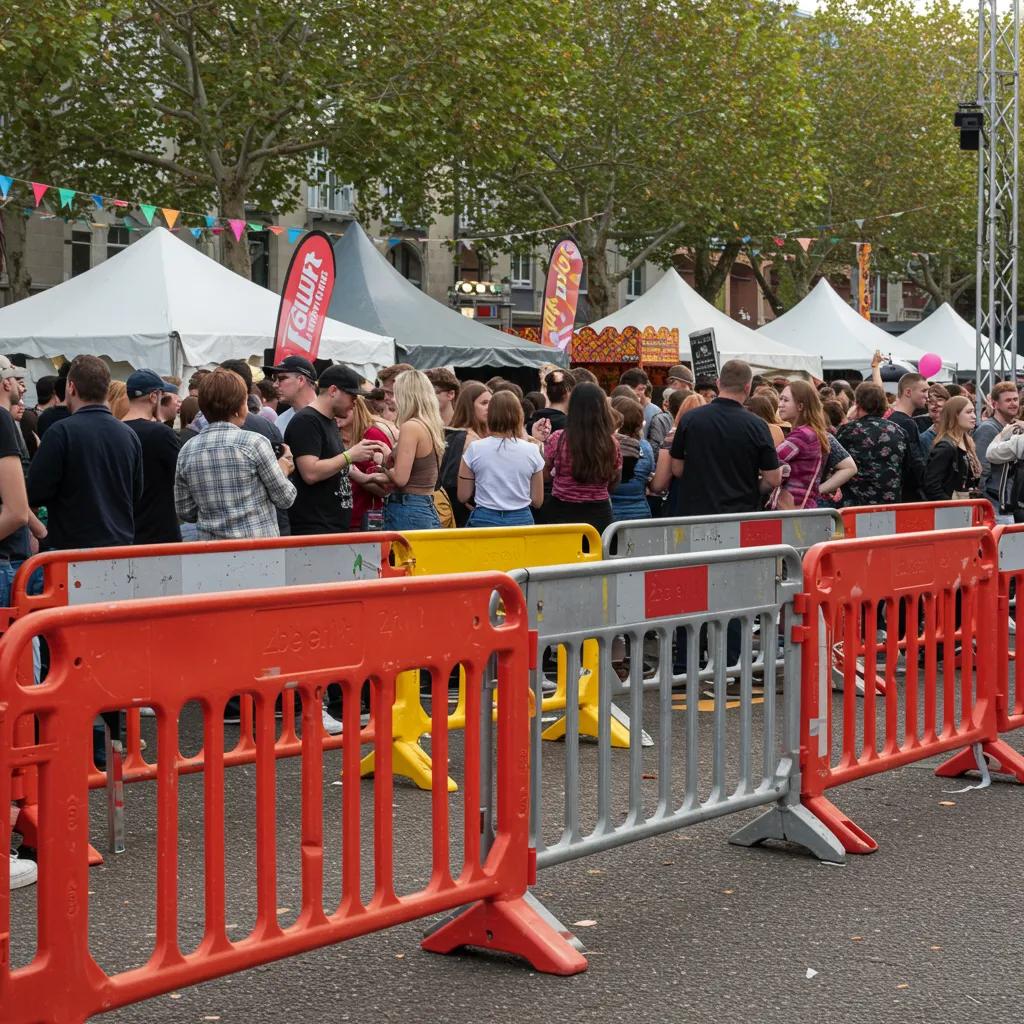
Crowd barriers are purpose-built temporary fencing and crowd control equipment designed to manage pedestrian flow, protect work zones and mark event perimeters; choosing between plastic and metal barriers depends on weight, durability and the environment where they will be used. This article explains the material differences, practical benefits and regulatory considerations so you can match barrier type to event size, weather and security needs. You will learn how polyethylene and other UV-stabilised plastics compare with galvanised steel and aluminium, when water-filled plastic barricades are ideal, and why metal barricades remain the go-to for heavy-duty security. Common pain points — transport costs, corrosion in coastal climates, wind stability and visibility at night — are addressed with clear, actionable guidance. The following sections compare the key attributes, list practical benefits of plastic solutions, outline metal advantages for high-risk sites, and explain how Australian standards and event requirements influence choice. Throughout, the article uses terms like portable event barriers, water-filled plastic barriers and galvanised steel crowd barriers to keep recommendations practical and searchable.
What Are the Key Differences Between Plastic and Metal Crowd Barriers?
Plastic and metal crowd barriers differ mainly in material density, structural strength and deployment model: plastics are typically hollow polymer bodies that rely on water or sand ballast for stability, while metal barriers use solid frames that provide intrinsic rigidity and resistance to deformation. These material differences drive trade-offs in portability, lifecycle cost and resistance to tampering; plastic options save on transport and storage, whereas metal options tolerate repeated impacts and high crowd pressure without losing form. Understanding these core contrasts helps organisers match barrier selection to crowd size, duration and environmental exposure. Available from local suppliers such as Retail Display Direct, both plastic and metal barrier ranges support common event requirements while offering different operational benefits.
Different attributes summarised in one comparison table help clarify typical performance and use-cases before drilling into construction details.
This side-by-side comparison shows typical characteristics for event planning and procurement.
|
Material Type |
Typical Weight |
Durability / Lifecycle |
Best Use Case |
|---|---|---|---|
|
Polyethylene (water-fillable) |
Lightweight when empty; medium when filled |
Good for short- to medium-term use; UV-stabilised variants resist sun |
Temporary crowd lines, roadworks, festivals |
|
Galvanised steel |
Heavy and robust |
High longevity with galvanisation; resists impact |
Large concerts, perimeter security, permanent/semi-permanent installs |
|
Aluminium |
Moderate weight, corrosion-resistant |
Long life with light weight; less rigid than steel |
Portable staging, indoor events, coastal sites |
How Do Plastic Crowd Barriers Differ in Material and Construction?
Plastic crowd barriers are commonly manufactured from high-density polyethylene or polypropylene and often include UV-stabilised additives to reduce sunlight degradation. Their construction frequently incorporates hollow chambers designed to be filled with water or sand on site, interlocking connectors that form continuous runs, and rounded profiles that reduce injury risk during close-quarters queues. These design choices make plastic barriers lightweight for transport and quick to set up when empty, but they depend on ballast to resist tipping in windy conditions. Understanding ballast needs and interlock systems is crucial before choosing plastic barriers for outdoor, long-duration events.
What Are the Main Features of Metal Crowd Barriers?
Metal crowd barriers are usually built from galvanised steel or aluminium tube-and-panel assemblies with welded joints and either bolted or hook-style interlocks to create rigid lines. Protective finishes such as galvanisation or powder-coating reduce corrosion and extend service life, while heavier feet or boxed bases improve stability under heavy crowd pressure. Metal designs prioritise anti-tamper features and the ability to withstand impacts without flexing, making them suitable for high-density and long-term deployments where security and longevity are critical. Regular maintenance such as checking welds and surface coatings preserves performance over many events.
What Are the Benefits of Using Plastic Crowd Barriers for Events and Temporary Fencing?
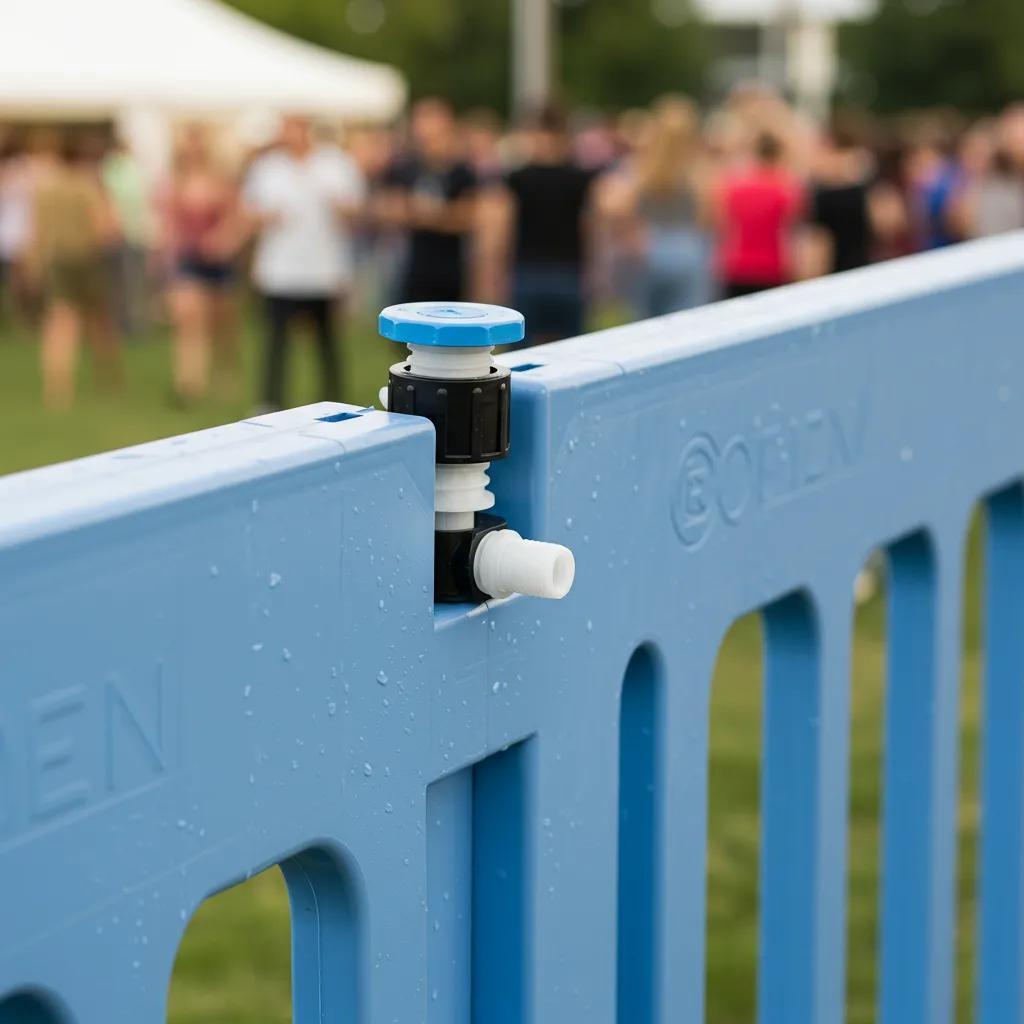
Plastic crowd barriers excel where portability, quick deployment and high visibility are priorities, particularly for short-term works and events that require frequent setup and breakdown. Their hollow, fillable design reduces transport volume and enables a single worker to carry and position units empty, then ballast them on site to achieve necessary stability. Plastic surfaces are rust-free and low maintenance, and bright moulded colours or applied reflective strips make them highly visible in low light without additional accessories. These operational strengths also make plastic barriers cost-effective for rental fleets and temporary roadworks where lifecycle wear is moderate.
Plastic barrier types and their practical benefits are summarised below to help choose the right variant for common tasks.
|
Plastic Barrier Type |
Feature |
Benefit / Application |
|---|---|---|
|
Water-fillable panels |
Hollow chamber with fill port |
Transport empty, fill on-site for stability in outdoor use |
|
Interlocking barricades |
Male–female connectors or tongue-and-groove |
Create continuous lines quickly and reduce trip hazards |
|
Lightweight moulded panels |
Single-piece HDPE construction |
Fast deployment for retail queues, indoor crowd control |
Plastic barriers offer three practical advantages:
- Portability and fast deployment: they reduce truck space and labour time during setup.
- Visibility and safety: bright colours and reflective elements improve night visibility and lower accident risk.
- Low maintenance: they do not rust and are economical to repair or replace in high-turnover rental fleets.
A short summary: for short-term events and projects requiring frequent moves, plastic barriers provide efficiency and safe visibility that often outweigh reduced intrinsic strength compared with metal options.
Why Are Plastic Barriers Lightweight and Portable?
Plastic barriers leverage low-density polymers and hollow construction to minimise individual unit mass during transport, enabling a single operator to handle panels empty and stack units compactly for storage. On arrival, the ability to fill with water or sand provides adjustable ballast — light during movement, heavy during operation — which balances logistics and on-site stability. This modular ballast approach reduces freight costs and simplifies crew requirements, making plastic barriers a practical choice when speed and repeated relocation are key. Understanding fill-port design and on-site filling logistics ensures stability planning aligns with event duration and weather.
How Do Plastic Barriers Enhance Safety and Visibility?
Manufacturers mould bright colours into plastic panels and add high-contrast reflective tape or retroreflective strips to boost conspicuity at night and in poor weather, improving pedestrian and vehicle awareness. Rounded edges and integrated anti-trip feet reduce injury risk during close-contact queues, and sign mounts allow clear temporary messaging about access or hazards. These visible safety features are particularly valuable for roadworks, retail queuing and night-time events where clear delineation reduces incidents. Collectively, these elements make plastic solutions a safety-first option for many temporary crowd-control scenarios.
What Advantages Do Metal Crowd Barriers Offer for High-Security and Heavy-Duty Applications?

Metal crowd barriers provide structural strength and resilience under sustained crowd pressure, making them the preferred choice for large concerts, stadium perimeters and sites requiring anti-tamper performance. Their solid frames and heavier mass resist deformation and are less reliant on ballast to remain upright under load, while interlocking systems create rigid lines that distribute force across connected panels. For long-term installations, the lifecycle cost of metal can be lower due to durability, despite higher initial procurement and transport costs. Proper finishes and maintenance planning are essential to protect metal barriers from corrosion and to ensure ongoing safety compliance.
The following list highlights core metal advantages for security-focused deployments.
- Superior strength under load: metal frames resist bending and maintain barrier integrity during high-density events.
- Longevity for repeat use: galvanised or powder-coated finishes extend service life in demanding environments.
- Stability without ballast: heavier bases and interlocks reduce reliance on water or sand for resistance to push-through.
How Do Metal Barriers Provide Durability and Stability?
Durability stems from material choice and protective finishes: galvanisation sacrificially protects steel from rust, while powder-coating limits surface degradation and improves aesthetics. Interlocking designs and welded frames create continuous, load-distributing runs that reduce individual panel movement and improve overall line stability. Anchoring options and heavier footing designs increase resistance to wind and dynamic crowd forces, meaning metal installations tolerate both static and dynamic loads with less risk of progressive failure. Regular inspection of coatings and anchor points preserves both safety and lifespan.
In Which Situations Are Metal Barriers the Preferred Choice?
Metal barriers are preferred for high-attendance concerts, stadium queuing, construction perimeters and locations where anti-climb or anti-tamper attributes are required. Their robustness suits scenarios with sustained crowd pressure, extended installation periods or where insurance and regulatory expectations demand higher safety margins. When event duration is long or the environment exposes barriers to repeated stresses, metal often provides the most reliable lifecycle value despite higher upfront handling costs. For coastal or corrosive environments, choosing appropriate corrosion protection becomes especially important for long-term metal use.
|
Metal Barrier Type |
Finish / Material |
Durability / Best Use |
|---|---|---|
|
Galvanised steel |
Hot-dip galvanisation |
Excellent corrosion resistance and impact tolerance for high-density events |
|
Powder-coated steel |
Epoxy/powder finish |
Good durability with improved aesthetics for public-facing sites |
|
Aluminium |
Anodised or natural finish |
Lightweight corrosion resistance for portable, coastal or indoor use |
How Do Australian Standards and Event Requirements Influence Your Choice of Crowd Barrier?
Australian standards and work health and safety obligations frame barrier selection by specifying expectations for strength, anchoring and safe design; in practical terms, AS 4687:2022 and related WHS guidance influence required performance for temporary fencing and certain crowd-control configurations. Organisers should interpret the standard for their specific use-case, checking strength, anchorage, anti-trip features and visibility requirements to satisfy regulators and insurers. For many events, compliance means documenting installation plans, load assumptions and maintenance checks to show due diligence. Suppliers and local providers that understand Australian standards can advise on compliance pathways and appropriate product choices.
Event planners should consider compliance points before deciding on materials and installation methods; suppliers such as Retail Display Direct can advise on barrier options that meet applicable AS 4687:2022 considerations where relevant to the event’s scope.
A short checklist helps map regulation to procurement decisions.
- Assess required strength and anchoring based on expected crowd density and dynamic loads.
- Verify visibility, anti-trip design and signage provisions for night or roadside use.
- Confirm corrosion protection and lifecycle planning for long-term installs or coastal exposure.
What Are the Key Australian Standards for Crowd Barriers?
AS 4687:2022 and complementary WHS guidance centre on structural stability, safe profiles to reduce injury, and adequate anchoring for temporary fencing and barrier runs; the standard emphasises performance outcomes rather than prescriptive materials, so both plastic and metal solutions can comply when specified and installed correctly. Key themes include design loads, anti-trip footings, visibility measures and maintenance documentation to demonstrate ongoing safety. Event organisers should consult the official standard and regulatory advice when planning large or high-risk events to ensure installations meet expectations and insurance requirements.
How Should Event Organisers Choose Barriers Based on Crowd Size and Environment?
Organisers should use a decision framework that maps crowd density, event duration and environmental exposure to barrier type: choose water-fill plastic panels for short-term, low-to-medium density events in low-wind conditions; prefer galvanised steel for high-density, long-duration or security-critical deployments; and select aluminium where weight savings and corrosion resistance are primary concerns. Also account for transport logistics, storage capacity and available installation staff when finalising procurement and staging plans. Practical planning that ties barrier type to crowd dynamics and site conditions reduces last-minute changes and enhances safety compliance.