
Indoor vs Outdoor Snap Frames: Which Is Right for You?
23rd Jan 2026
Snap frames are the quick-change poster holders commonly used in retail, hospitality and workplace signage to display printed messaging without tools or adhesives. They consist of a hinged aluminium profile, a clear protective cover and a backing board that together secure posters while allowing fast swaps; this mechanism makes snap frames especially useful for businesses that rotate promotions, menus or wayfinding frequently. This guide explains how snap frames work, details the distinguishing features of indoor and outdoor variants, and provides practical decision factors—materials, weatherproofing, security and aesthetics—to help you choose the right frame for each use case. You will also find concise component breakdowns, maintenance and protection tips for longevity, and clear comparison tables to speed buying decisions. Read on to learn which snap frame suits a gallery wall, an office corridor, a café forecourt or a high-exposure storefront.
What Are Snap Frames and How Do They Work?
A snap frame is a poster frame whose edges hinge open and snap shut, so a printed poster can be changed without removing the frame from the wall. The core mechanism combines a sprung frame profile with a clear PET or anti-glare cover and a backing panel that holds the poster flat and visible; together these parts provide a secure, tidy display and rapid replacement. Snap frames are often called clip frames or snap-open frames and are available in many profiles and corner styles to suit different aesthetics. Understanding these basics helps you decide whether speed-of-change or environmental protection is the priority for your application.
What are the main components of a snap frame?
A typical snap frame has four essential parts that determine performance and appearance. The frame profile is usually aluminium for rigidity and a slim visual edge, while corners can be mitred for a precise look or round for a softer finish. The clear protective cover is commonly PET and may include anti-glare or UV properties to protect printed media, and the backing panel is often styrene or foamboard to keep posters flat. These components trade off cost, durability and visual impact, so choose materials that match the location and expected poster life.
How do snap frames enable quick and easy poster changes?
The snap-open action works by releasing the sprung frame profile along one or more edges so the cover and backing pivot out, allowing the poster to be placed on the backing and the cover snapped closed again. This tool-free sequence takes seconds and reduces downtime for promotional swaps, making snap frames ideal for retail promotions and changing menus. To avoid creases, align posters against registration marks or use a backing slightly larger than the print; small safety tips such as keeping fingers clear of hinge edges prevent pinching. Quick changes mean businesses can react to seasonal offers or daily specials with minimal effort.
What Are the Key Features of Indoor Snap Frames?
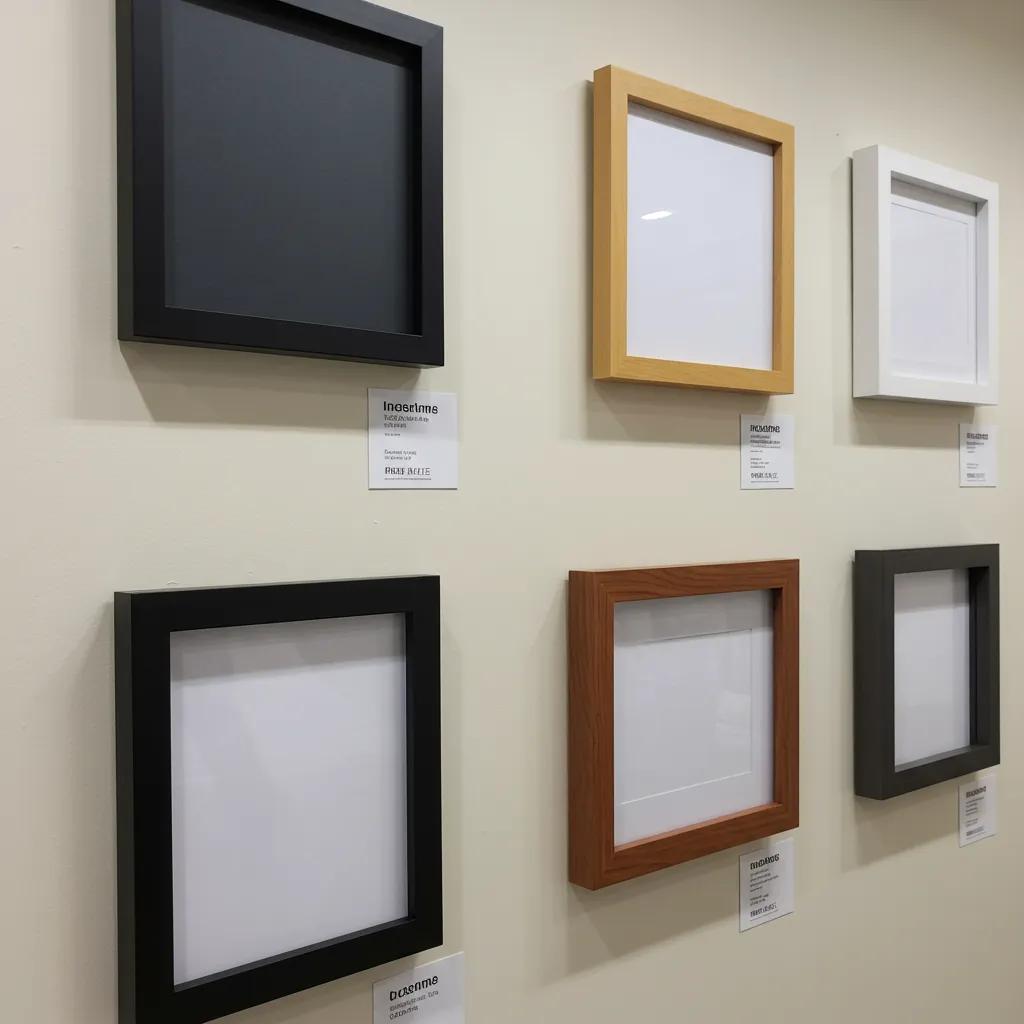
Indoor snap frames prioritise aesthetics, clarity and lightweight profiles rather than heavy weatherproofing. Common finishes include silver and black anodised aluminium for a modern look, wood-effect for warmer interiors, and coloured anodised profiles to match brand palettes; anti-glare PET covers are popular where lighting may cause reflection. Indoor frames typically omit heavy seals and drainage because they are not exposed to rain, allowing slimmer profiles and more finish variety that complement galleries, corporate lobbies and retail floors. Selecting the right indoor frame balances visual fit, anti-glare needs and how often the poster will be changed.
Different indoor materials and finishes deliver distinct aesthetic and cost outcomes; the following table summarises common indoor choices and their attributes to help you pick a finish that suits your environment.
|
Material / Finish |
Characteristic |
Typical Benefit |
|---|---|---|
|
Aluminium (silver/black) |
Slim anodised profile |
Modern, low-profile look with good durability |
|
Wood-effect |
Decorative laminate |
Warmer, hospitality-friendly appearance |
|
Coloured anodised |
Brand-matching options |
Visual cohesion with interior branding |
|
PET anti-glare cover |
Transparent protective film |
Reduces reflections under bright interior lighting |
This table highlights how finish choices influence both appearance and function, helping you match frame selection to design goals and lighting conditions.
For businesses seeking ready options, Retail Display Direct offers indoor snap frame choices in a range of finishes and customisable options, with emphasised benefits of customisation and fast fulfilment. Their indoor range suits retail and office environments where appearance and quick poster changes matter; their delivery promise of same-day dispatch on most orders before 11am and a lowest-price guarantee support tight promotional schedules. Keep in mind that these supplier advantages are supplementary to the core decision factors of finish, cover type and mounting location when choosing indoor frames.
Which materials and finishes are common for indoor snap frames?
Indoor frames commonly use anodised aluminium for a sleek profile, wood-effect laminates for hospitality settings, and coloured profiles for brand alignment. Anti-glare PET covers are recommended where overhead lights or spotlights would otherwise cause reflections and reduce readability. Plastic profiles can be used for very low-cost applications but offer less rigidity than aluminium, so weigh cost against expected handling and poster frequency. Visual coherence with interiors is often the deciding factor for indoor installations.
What indoor environments benefit most from snap frames?
Indoor snap frames excel where frequent poster rotation and neat presentation are priorities, including retail floors for promotions, office corridors for notices and wayfinding, and hospitality venues for menus or specials. In galleries and showrooms, mitred-corner aluminium frames provide a minimalist, professional look that keeps attention on the artwork or messaging. For high-traffic indoor zones, choose sturdier backing and anti-glare covers to preserve prints and maintain readability over time.
How Do Outdoor Snap Frames Provide Weatherproof and Security Benefits?
Outdoor snap frames combine robust materials and seals to protect graphics from rain, UV exposure and wind while deterring unauthorised access. Key weatherproof elements include rubber gaskets around the frame perimeter to prevent water ingress, drainage channels to avoid pooling, and UV-resistant covers or poster lamination to reduce fading; corrosion-resistant aluminium and protective coatings resist rust and maintain structural integrity. Security enhancements such as locking mechanisms and tamper-resistant fixings further protect outdoor displays in high-traffic or exposed locations. These features together preserve posters longer and reduce maintenance, which is crucial for exterior signage reliability.
Below is a concise list of the typical weatherproof and protective features you should look for in outdoor frames, with a short explanation of each feature's practical purpose.
1. Rubber gasket seals that prevent water entering the frame pocket.
2. Drainage channels that remove trapped moisture and prevent pooling.
3. UV-resistant PET or laminated covers that limit colour fading from sunlight.
These protective features extend poster life and reduce replacement frequency, making outdoor frames better value over time compared with non-sealed indoor options.
Retail Display Direct’s outdoor solutions, including weatherproof LED light boxes and waterproof displays, illustrate how specialised outdoor products integrate seals, lighting and secure fixings to protect graphics in exposed settings. Their outdoor LED light box waterproof product exemplifies how combining illumination with weatherproof construction both protects posters and improves visibility after dark, useful for cafés and storefronts wanting extended hours of readable signage.
What weatherproof features make outdoor snap frames suitable for all conditions?
Effective outdoor frames use a combination of seals, drainage and material choices to handle the elements: rubber gaskets keep rain out, engineered drainage prevents trapped water, and UV-rated covers reduce fading. Corrosion-resistant aluminium or coated metal profiles help frames keep their shape and finish despite humidity or coastal salt exposure, and reinforced backing prevents wind-buckling of posters. For longest poster life, consider lamination or UV film on printed media and schedule periodic inspections to clear debris from drainage channels.
How do lockable and tamper-resistant snap frames enhance outdoor security?
Lockable snap frames use keyed catches, concealed fixings or tamper-resistant screws to prevent unauthorised poster changes and vandalism, which is important in busy public areas. These security features add a small premium but reduce replacement costs and reputational risks from inappropriate content appearing in your signage. For very exposed locations consider combining locks with robust mounting plates and placing frames out of easy reach to deter tampering. Ultimately, security features should match the risk level of the installation site.
How Do Indoor and Outdoor Snap Frames Compare?
Choosing between indoor and outdoor snap frames depends on exposure level, poster change frequency and desired aesthetics. Indoor frames favour a wider range of finishes and slimmer profiles because weatherproofing is unnecessary and visuals matter more; outdoor frames focus on seals, drainage, UV protection and security at the expense of some finish variety. Price generally increases with weatherproofing and security features, but the higher upfront cost of outdoor frames often pays back via reduced poster replacement and maintenance in exposed locations. Use the comparison below to align selection with use case and budget.
|
Attribute |
Indoor Snap Frame |
Outdoor Snap Frame |
|---|---|---|
|
Material |
Slim anodised aluminium or decorative finishes |
Corrosion-resistant aluminium with protective coatings |
|
Weatherproofing |
Minimal (no seals) |
Rubber gaskets, drainage, sealed backs |
|
Security |
Basic fastening |
Lockable catches, tamper-resistant fixings |
|
Typical Price Range |
Lower |
Higher due to protective features |
|
Aesthetics |
Greater finish variety |
Functional, rugged finishes for durability |
|
Longevity |
Medium indoors |
Longer outdoors with maintenance |
This EAV-style comparison clarifies trade-offs so you can prioritise either appearance and cost or durability and protection depending on location and usage patterns.
Retail Display Direct helps businesses bridge categories by offering snap frames alongside A-frames and sandwich boards, allowing buyers to choose framed wall displays for interior or freestanding A-frames for pavement and sidewalk promotion. This product breadth means businesses can select complementary display types—snap frames for mounted poster rotations and A-frames for portable external messaging—matching each location’s exposure and security needs.
What are the differences in materials, weather resistance, and durability?
Indoor frames lean on lightweight aluminium and cosmetic finishes, while outdoor frames emphasise coated or stainless aluminium, seals and drainage for prolonged exposure. Outdoor frames are built to resist corrosion and UV damage, which translates to longer service life in external environments; indoor frames focus on visual options and slimmer sightlines instead. The expected durability varies by environment: an outdoor sealed frame can last years with basic maintenance, whereas an indoor decorative frame prioritises style over extreme durability.
How do price, aesthetics, and longevity vary between indoor and outdoor frames?
Price rises with added weatherproofing, locking hardware and robust coatings; aesthetic options are broader indoors because the need for heavy seals is absent. Longevity trades off with initial cost: investing in outdoor-rated frames reduces replacement and repair costs in the long run, while cheaper indoor options suit rapidly changing promotional needs. Decide by balancing how often posters change, the importance of appearance, and the environmental exposure of the installation site.