
How to Create an Eye-Catching A-Frame Sign: Essential Design Tips and Effective Messaging
28th Jan 2026
A striking A-frame sign transforms passerby curiosity into customer engagement by combining bold visuals, concise wording, and durable materials. Achieving an eye-catching sandwich board relies on balanced design principles, weather-proof construction methods, and compelling calls-to-action that drive foot traffic. This guide outlines five key stages—from core design elements and sturdy materials to punchy messaging, DIY assembly, and strategic placement—so readers can make an A-frame sign that stands out and endures.
What Are the Key Design Principles for an Eye-Catching A-Frame Sign?
An A-frame sign is a self-standing display that attracts attention through purposeful visual hierarchy, high-contrast elements, and brand consistency. Clear typography, impactful colours, and relevant graphics work together to guide the eye along the main message. For example, a café might use oversized letters and complementary hues to highlight daily specials and reinforce its logo.
How Does Typography Impact A-Frame Sign Readability and Appeal?
Effective typography makes your message legible at a distance and reinforces brand personality.
- Use sans-serif or slab-serif fonts for maximum clarity in outdoor lighting conditions.
- Set headline text at a minimum of 2 inches (approximately 150 pt) tall for visibility from 20 feet away.
- Pair two font families—one for headings and one for body text—to create contrast without clutter.
Strong font choices capture attention at a glance and prepare pedestrians to read promotional details.
Which Colour Combinations Grab Attention and Reinforce Branding?
High-contrast colour pairs ensure your sign stands out against a busy streetscape.
- Black on yellow or white on red generates maximum luminance contrast under daylight.
- Accent brand colours (such as a café’s signature teal) with neutral backgrounds to maintain recognition.
- Use a 60:40 ratio of primary to secondary hues to avoid overwhelming the eye.
These combinations sharpen focus on key offers and build brand recall with every view.
How Can Imagery and Graphics Enhance Your Sidewalk Sign?
Incorporating simple icons, logos, or illustrations strengthens message retention. A well-placed coffee cup icon instantly communicates a café’s offering, while a bold logo watermark reinforces identity without distracting from the text. For instance, a stylised arrow can direct attention toward a “50% off” call-out, linking graphic cues to the promotion.
What Layout Styles Create Effective Visual Hierarchy on A-Frame Signs?
Dynamic layouts use diagonal lines or overlay techniques to lead the viewer’s gaze from headline to details. A minimalist grid emphasises whitespace around text blocks, making the message feel uncluttered. Both approaches direct attention intentionally, ensuring passersby absorb the call-to-action before moving on.
What Are the Best Materials and Construction Methods for Durable A-Frame Signs?
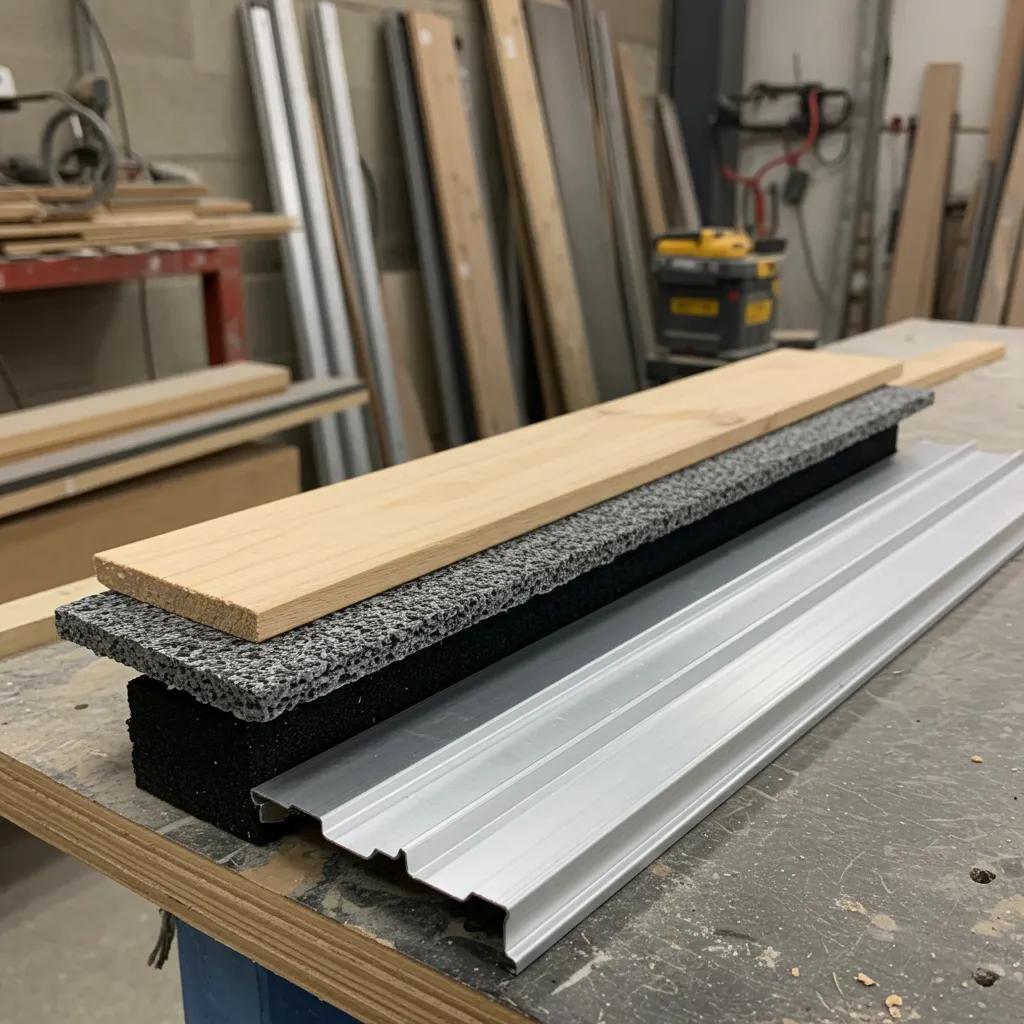
Selecting robust frame structures and display panels ensures long-term performance in variable weather. Combining corrosion-resistant hinges with UV-stable finishes keeps an A-frame sign intact under rain and sun. Using materials designed for outdoor use reduces maintenance and preserves visual impact over time.
Which Frame Types Offer Portability and Weather Resistance?
Before choosing a frame, compare its weight and durability under wet conditions.
|
Frame Material |
Portability Rating |
Weather Resistance |
|---|---|---|
|
Plastic |
High |
Excellent |
|
Aluminium |
Very High |
Very Good |
|
Wood (sealed) |
Moderate |
Good |
Aluminium frames combine lightweight handling with solid wind resistance, preparing the structure for rain and breezy sidewalks.
What Display Panels Work Best for Outdoor Use?
Selecting the right panel material balances legibility, longevity, and ease of update.
|
Panel Material |
Durability |
Ease of Updating |
|---|---|---|
|
Corflute |
Good |
High (insertable) |
|
Chalkboard |
Moderate |
Medium (rewritable) |
|
Vinyl overlay |
Very Good |
Low |
Corflute inserts resist moisture and allow quick graphic swaps, making daily specials easy to change without new print runs.
How Do You Ensure Stability and Longevity in A-Frame Sign Assembly?
Reinforced hinges prevent panel separation, while sandbag or water-filled base weights resist tipping. Applying UV-inhibiting lacquer to painted wood prevents fading and cracking. Regularly tightening hardware and storing the sign indoors during storms prolongs its service life.
How Do You Craft Effective Messaging and Calls-to-Action for Sidewalk Signs?
Concise wording with a clear benefit motivates onlookers to pause and engage. A compelling call-to-action (CTA) combines urgency, value, and brevity to drive immediate response. For example, “Buy One Get One Free—Today Only!” links a strong offer to a time constraint for maximum impact.
What Makes a Call-to-Action Clear, Concise, and Urgent?
Key CTAs centre on four elements—action verb, offer detail, time frame, and directional cue.
- Use verbs like “Grab,” “Enjoy,” or “Discover” to prompt instant action.
- Quantify the benefit (e.g., “Save 20%”) so the value is explicit.
- Add a time limit (‘Today Only’) to create urgency and prompt decision.
This formula encourages passersby to act before they walk past.
How Should Promotional Content Be Presented on A-Frame Signs?
Highlight single promotions prominently and tuck secondary details beneath the main offer. Large headlines capture attention, while smaller sub-text explains restrictions or conditions. For seasonal events, match festive graphics to the headline offer so the visual context aligns with the promotion.
How Can Brand Voice Influence Customer Response?
A friendly, conversational tone can invite smiles and lingered looks, while a confident, authoritative voice projects professionalism. A playful pun—such as “Donut Miss This Deal”—leverages humour to draw interest, whereas a sleek, minimalist phrase signals premium quality.
What Are Practical DIY Steps to Build and Customise Your Own A-Frame Sign?
A DIY A-frame sign combines basic woodworking or metal-working with creative finishing touches. By following clear assembly steps and painting techniques, even first-time builders can create professional displays. This process supports full customisation—from size and shape to graphic inserts.
What Tools and Supplies Are Needed for DIY A-Frame Sign Construction?
To build a wooden or plastic sandwich board you need saws, drills, and finishing tools.
- Circular saw or jigsaw for cutting frame pieces to size.
- Cordless drill with screwdriver bits for hinge and panel bracket installation.
- Paint brushes or foam rollers, plus exterior-grade paint or primer for weather protection.
These basic supplies empower makers to craft a sturdy, branded sign frame.
How Do You Assemble and Paint a Wooden or Plastic Sandwich Board?
- Cut four frame legs and two cross-braces to match desired dimensions.
- Attach hinges at the top corners and secure base weights or brackets at the feet.
- Prime all surfaces, then apply two coats of weather-resistant paint before slotting in graphic panels.
Following these steps ensures alignment, stability, and a smooth finish for lasting curb appeal.
How Can You Update and Change Graphics Easily?
Installing slide-in pockets or magnetic strips lets you swap posters or corflute inserts in seconds. Chalkboard panels allow handwritten updates with moisture-resistant chalk markers. These systems support frequent promotions without full sign replacement.
Where Should You Place Your A-Frame Sign for Maximum Visibility and Compliance?
Optimal placement balances high foot traffic with legal clearance for public pathways. A sidewalk sign draws more attention when positioned at a building corner or near crosswalks. Ensuring the sign does not obstruct wheelchair access maintains compliance and goodwill.
How Do You Choose Optimal Locations to Attract Foot Traffic?
Selecting a spot where pedestrians naturally slow increases message retention.
- Near seating areas or queue lines where people wait.
- Adjacent to entrances or parking lot paths leading to your storefront.
- Close to complementary local businesses to capture spill-over traffic.
Strategic positioning turns everyday routes into promotional opportunities.
What Local Regulations Affect Sidewalk Sign Placement?
Council rules often specify maximum sign height, required clearance from curbs, and permit requirements. Some areas restrict signs to business frontage only, while others cap the number of displays per block. Verifying municipal guidelines prevents fines and removal orders.
How Can A-Frame Signs Integrate with Broader Marketing Efforts?
Link physical signage to digital campaigns by displaying QR codes or social-media handles. Coordinate sign graphics with in-store décor and online visuals for brand consistency. Cross-promote seasonal offers on both your sidewalk sign and website banners to reinforce the message across channels.
Crafting an effective A-frame sign begins with strong design foundations and ends with strategic placement and maintenance. By combining bold typography, weather-proof materials, and punchy calls-to-action, businesses can maximise foot traffic and brand impact. DIY builders gain flexibility with basic tools and interchangeable panels for ongoing updates. When aligned with local regulations and broader marketing, an eye-catching A-frame sign becomes a reliable asset for lasting visibility and customer engagement.