
Eco-Friendly Glass Whiteboards: Top Benefits Explained for Sustainable Offices
2nd Feb 2026
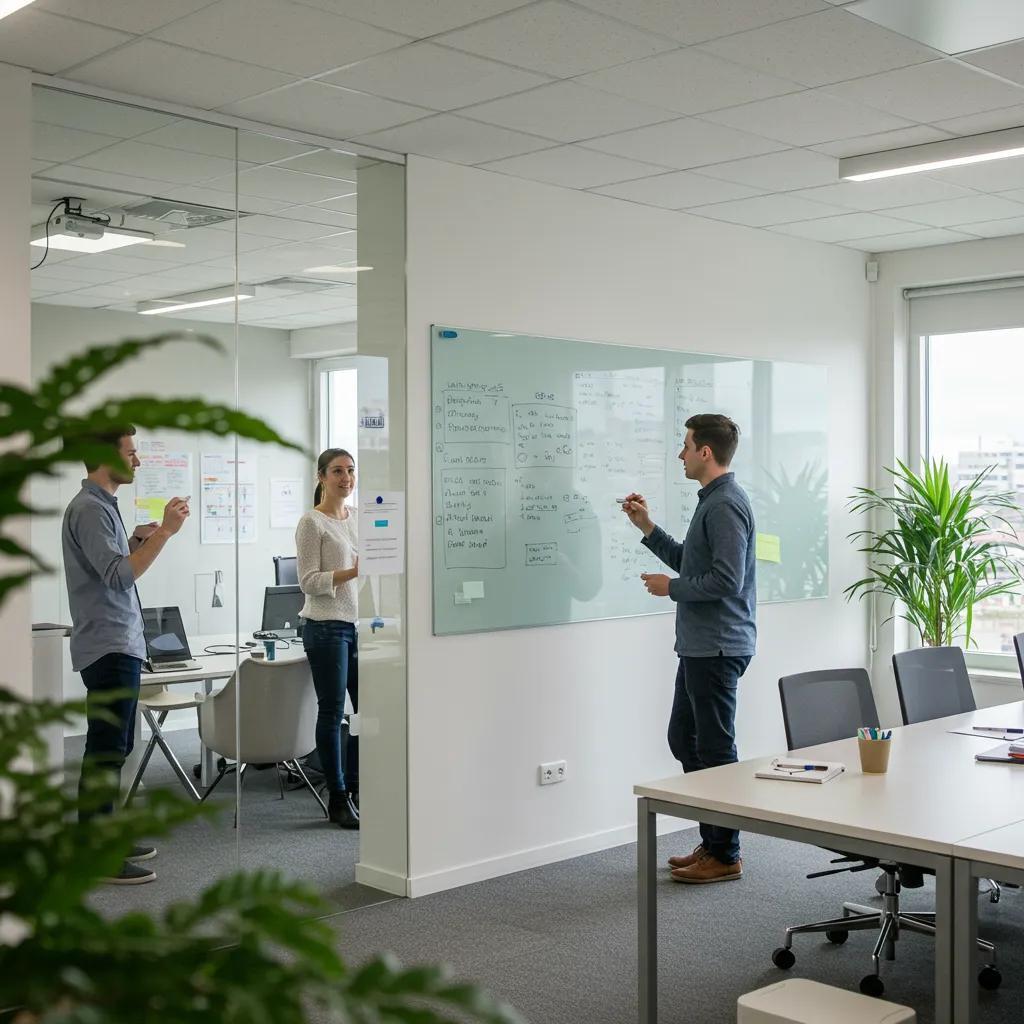
Glass whiteboards are writing surfaces made from tempered or recycled glass designed to replace conventional melamine or porcelain boards while reducing waste and extending usable life. They deliver sustainability through durable materials, high recyclability at end-of-life, and low-VOC manufacturing options that together lower lifecycle CO₂e compared with short-lived alternatives. This article explains what makes glass whiteboards eco-friendly, lists the key benefits for hygiene, aesthetics and total cost of ownership, and offers a practical buyer’s checklist for selecting sustainable models. Readers will learn which materials and manufacturing choices matter, how durability translates into lower environmental impact, what sizes and installations suit different workspaces, and how glass panels can support green office initiatives. The guidance uses current research perspectives and procurement-minded advice relevant to Australian buyers and facilities teams while keeping supplier mentions factual and limited.
What Makes Glass Whiteboards Eco-Friendly?
Glass whiteboards are eco-friendly because they combine recyclable materials with long service life and low-emission finishes, reducing replacements and waste over time. The composition - typically tempered glass with the option of recycled glass content - means panels resist staining and ghosting, so maintenance energy and cleaning materials are reduced. Manufacturing choices such as low-VOC coatings and energy-efficient tempering processes further reduce environmental impact, and many units can be recycled or downcycled at end-of-life. Understanding these material and process choices helps facilities managers prioritise durable, low-carbon writing surfaces that align with sustainable office procurement.
The materials that drive sustainability are worth listing in practical terms:
- Tempered glass panels resist impact and cracking, extending usable life and reducing waste.
- Recycled glass content lowers the need for virgin raw materials and associated CO₂e emissions.
- Low-VOC coatings and adhesives minimise indoor air pollutants during manufacture and installation.
Which Materials and Manufacturing Processes Ensure Sustainability?
Tempered glass is the common structural choice for durable writing surfaces because it offers strength and a high potential for recycling, which reduces lifecycle waste. Recycled glass content in the substrate or backing lowers embedded carbon compared with virgin glass, and specifying low-VOC inks, paints or adhesives reduces harmful emissions during production and in occupied spaces. Procurement teams should request material declarations and inquire about recycled-content percentages and coating chemistries to verify sustainability claims. Checking for recognised environmental certifications or declarations helps ensure materials and processes match sustainability goals.
How Does Durability Reduce Environmental Impact?
Durability cuts environmental impact by reducing the frequency of replacement, which lowers cumulative manufacturing emissions, transport energy and operational waste over product lifetime. A longer-lasting glass panel resists staining and ghosting, which decreases the need for abrasive cleaners and aggressive solvents that can carry disposal impacts. Fewer replacements translate into lower total cost of ownership for facilities budgets and fewer interruptions for refit projects. Considering expected lifespan alongside maintenance needs provides a clearer CO₂e and cost comparison versus short-lived melamine boards.
What Are the Key Benefits of Using Eco-Friendly Glass Whiteboards?
Glass whiteboards offer a suite of functional and environmental benefits that together support sustainable office management and workplace wellbeing. Their non-porous, stain-resistant surface improves hygiene and reduces cleaning intensity, while durable construction minimises procurement cycles and waste. Aesthetic flexibility—clear, frosted or printed glass—supports brand alignment without frequent replacement, and recyclability at end-of-life closes material loops when specifications prioritise recycled content. Below is a direct comparison that highlights differences between glass and conventional whiteboards to guide specification choices.
Glass-versus-conventional whiteboard comparison table:
|
Product Type |
Lifespan |
Recyclability |
Typical Maintenance |
|---|---|---|---|
|
Glass whiteboard |
Long (years to decades) |
High (tempered/recyclable) |
Simple dry-wipe, mild cleaners |
|
Melamine whiteboard |
Short (months to a few years) |
Low (limited recyclability) |
Frequent deep-cleaning, replacement |
|
Porcelain steel board |
Long (years) |
Moderate (steel recyclable, backing varies) |
Durable but can dent; periodic care |
This table shows that glass panels combine long lifespans with high recyclability, supporting lower lifecycle environmental impact compared with many conventional options.
The top benefits in practical terms include:
1. Durability and cost savings: Less frequent replacements mean lower procurement and disposal impacts.
2. Improved hygiene: Non-porous surfaces resist staining and clean easily with mild agents.
3. Design flexibility: Custom printing and finishes reduce the need for decorative replacements.
These benefits naturally inform decisions about sizes, types and installation practices to maximise sustainability.
How Do Glass Whiteboards Promote Hygiene and Cleanliness?
Glass whiteboards promote hygiene because their non-porous surface does not trap ink, bacteria or residue, which lowers cleaning effort and chemical use in high-traffic areas. Routine maintenance typically requires a dry-wipe followed by a mild, non-abrasive cleaner for occasional deep-cleaning, cutting down on solvent-heavy products and disposal concerns. In shared environments such as meeting rooms, classrooms or healthcare reception areas, glass panels reduce visible ghosting and staining that often prompts premature replacement. Following a regular, gentle cleaning schedule prolongs finish quality and sustains both hygiene and longevity.
In What Ways Do Glass Whiteboards Enhance Office Aesthetics and Customisation?
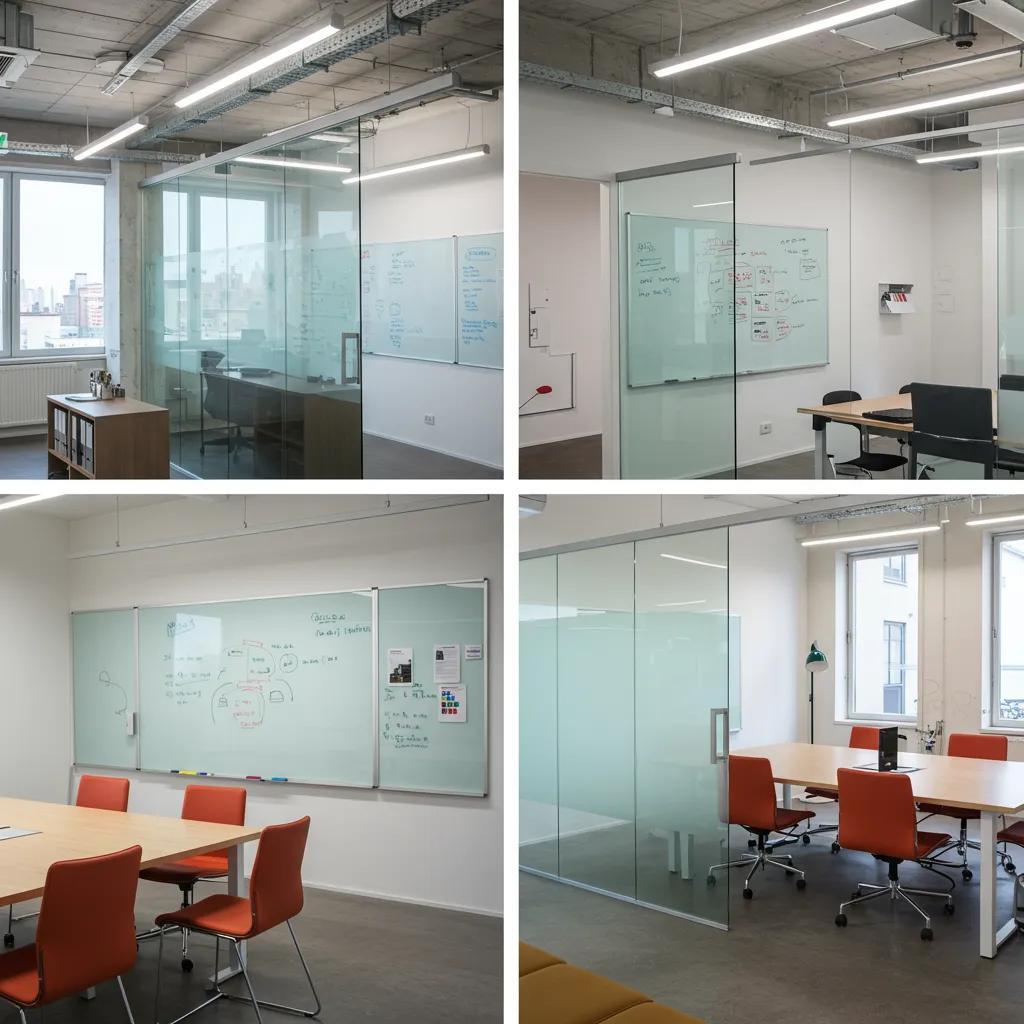
Glass panels offer contemporary aesthetics through clear, frosted or coloured finishes and can be custom printed for branding or wayfinding without compromising durability. Frameless options create a seamless wall-clad appearance that aligns with modern workplace design while framed variants allow for coordination with existing interiors. The design longevity of glass means businesses avoid frequent decorative replacements, which supports sustainability by reducing material turnover. Choosing finishes that resist scratching and UV fading preserves appearance and extends the useful life of installed panels.
How to Choose the Right Sustainable Glass Whiteboard for Your Needs?
Selecting a sustainable glass whiteboard requires balancing size, type, material specifications and installation method to maximise lifespan and minimise environmental impact. Buyers should prioritise tempered glass with documented recycled content, low-VOC coatings, and compatible mounting hardware that supports easy replacement without damaging walls. Consider whether a magnetic backing is necessary for your workflow, or whether frameless panels suit a sleek, low-material aesthetic—each choice affects recyclability and longevity. Below is a concise buying checklist to guide procurement and specification conversations.
Choose the right specs with this checklist:
1. Size & fit: Measure wall space and anticipate use cases (meeting rooms, breakout zones, receptions).
2. Material & recycled content: Request percentages of recycled glass and low-VOC finish details.
3. Type & features: Decide between magnetic or non-magnetic, framed or frameless, and mobility needs.
Specification guidance table:
|
Board Type |
Material / Recycled Content |
Recommended Warranty / Spec |
|---|---|---|
|
Frameless glass panel |
Tempered glass; seek recycled glass % |
Request manufacturer lifespan estimate |
|
Magnetic glass board |
Tempered glass with magnetic backing |
Check magnetic strength and backing recyclability |
|
Mobile glass panel |
Tempered glass with aluminium frame |
Durable castors and easy-disconnect mounts |
The table clarifies what attributes to request when comparing products and requesting technical data sheets.
A practical purchasing tip: compare suppliers on declared recycled content, finish chemistries and delivery options; for Australian buyers, consider local availability and logistics to reduce transport emissions. Retail Display Direct is an Australian company whose site navigation lists a Glass Whiteboard category and whose broader catalogue includes related display hardware; their local presence and product listings can help buyers verify availability and request specific recycled-content and warranty information directly.
What Sizes and Types Are Available for Eco-Friendly Glass Whiteboards?
Eco-friendly glass whiteboards come in standard meeting-room sizes, narrow reception panels, and large custom wall systems, plus mobile stand-mounted variants for flexible spaces. Magnetic glass models add functionality for pinning or magnetic accessories, while frameless panels prioritise minimal material use and a sleek finish. Choose compact sizes for huddle spaces, larger formats for collaborative rooms, and mobile panels where reconfiguration is frequent to avoid repeated purchases. Matching type to use-case reduces over-specification and supports sustainable asset management.
What Installation and Maintenance Practices Support Longevity?
Proper mounting with suitable hardware, correct handling during installation, and avoidance of direct impact are essential to prevent premature damage and ensure long lifespans for glass panels. Use recommended anchors and mounting plates, follow manufacturer torque and weight guidelines, and schedule professional installation for large or heavy panels to reduce rework and waste. Maintain with daily dry-wiping and occasional mild cleaner; avoid abrasive pads and harsh solvents that damage coatings and shorten life. Implement shared-space policies—such as designated marker colours and cleaning routines—to reduce wear and extend service life.
Why Are Eco-Friendly Glass Whiteboards a Smart Investment for Businesses?
Investing in eco-friendly glass whiteboards supports lower total cost of ownership by reducing replacements, minimising cleaning resource use, and enhancing workplace health and brand presentation. Their durability and recyclability align with procurement policies that prioritise lifecycle emissions reductions and circular material choices. For organisations pursuing green office initiatives, specifying recycled-content tempered glass and low-VOC finishes communicates a measurable step toward waste reduction and improved indoor environmental quality. These outcomes support staff wellbeing, simplify facilities management, and contribute to demonstrable sustainability goals.
Businesses can realise these benefits through targeted procurement actions:
- Specify recycled-content percentages and low-VOC coatings during tendering.
- Require lifecycle information and end-of-life recycling options from suppliers.
- Track replacement frequency and cleaning chemical use to quantify sustainability gains.
These procurement steps show how glass whiteboards convert technical benefits into organisational outcomes.
How Do Glass Whiteboards Contribute to Green Office Initiatives?
Glass whiteboards support green office initiatives by lowering replacement rates, reducing cleaning chemical reliance, and offering recyclable end-of-life pathways when specified appropriately. They contribute to waste-reduction targets because durable panels replace short-lived alternatives less often, cutting cumulative CO₂e from manufacturing and transport. Integrating glass panels into sustainable fit-outs supports broader certification and reporting goals when product declarations and recycled-content data are recorded. Facilities teams that document lifecycle improvements can include glass whiteboards as a measurable element in green procurement policies.
What Makes Retail Display Direct’s Range a Reliable Choice in Australia?
Retail Display Direct is an Australian supplier whose online navigation includes a Glass Whiteboard product category, indicating a local offering of glass writing surfaces and related display products. The company also maintains product category listings for allied display hardware on the same domain, which can simplify sourcing complementary mounting and display options. Their Google Business Profile confirms an Australian presence, which can help procurement teams assess logistics, delivery and local support when comparing suppliers. For buyers in Australia, checking local supplier inventories and requesting material declarations from named suppliers helps streamline sustainable procurement.