
Easy Cork Board Decorations to Transform Your Space with Creative DIY Ideas
13th Feb 2026
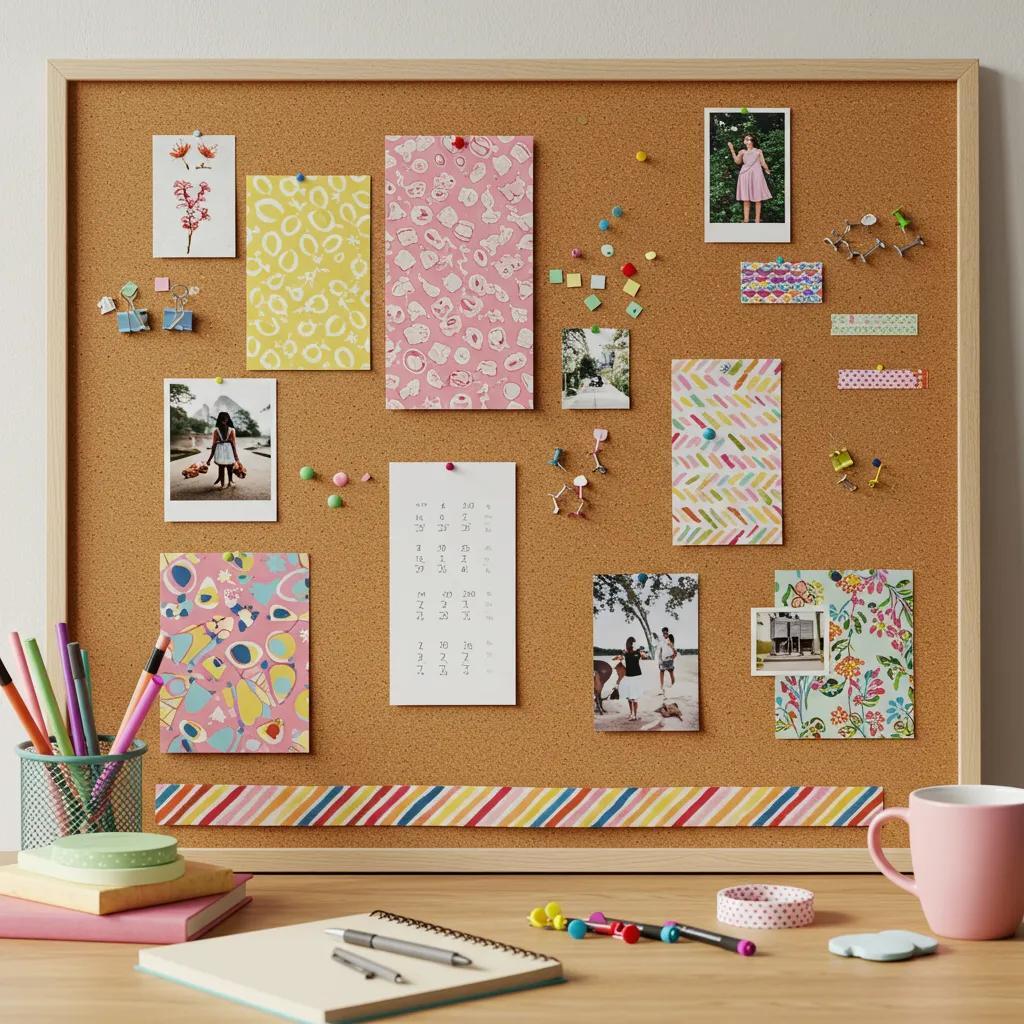
A plain cork board is not just a notice surface; it is a canvas for texture, colour and organisation that can transform a room with minimal effort. This guide shows easy cork board decorations and simple cork board DIY techniques that deliver big visual impact using fabric, paint, washi tape and a few smart accessories. Many readers struggle with bland pinboards that fail to reflect personal style or help with everyday organisation; the solutions below focus on beginner-friendly methods that refresh a board in under an afternoon. You will find step-by-step how-tos, materials lists, and time/cost estimates for each approach, plus organisers for home office, kitchen and dorm use, accessory recommendations, and a quick look at why cork is a sustainable, versatile choice. Throughout, related terms like fabric-covered cork boards, painted cork boards and decorative push pins are used to help you visualise practical outcomes. By the end you’ll have clear project choices and sources for suitable cork board products to start decorating immediately.
What Are the Best Easy Cork Board Decoration Ideas for Beginners?
A beginner-friendly cork board decoration idea is one that needs few tools, uses easy-to-source materials and finishes quickly while looking intentional. Simple methods like fabric covering, painted patterns and washi tape grids change a board’s appearance by adding texture, colour or personalised layout with low cost and low risk. Each approach works because cork accepts pins and adhesives while staying lightweight and forgiving, so beginners can experiment and update displays frequently. Below are curated ideas with short materials lists and time estimates to help you choose a starter project based on skill and budget.
This list highlights top beginner ideas and what each delivers:
- Fabric-covered cork boards provide instant texture and warmth with minimal tools.
- Painted cork boards refresh tone and pattern; stencils speed up crisp designs.
- Washi tape art creates removable geometric layouts and frames for photos.
- Photo grids use string and pins for a collage-style display that’s easy to change.
- Simple borders with ribbon or moulding add a polished, framed look.
These options suit most rooms and budgets; choose based on whether you prefer removable decoration (washi tape, photo grids) or a more permanent refresh (paint, fabric).
How Can Fabric Transform Your Cork Board’s Look?
Fabric-covered cork boards use fabric as a hyponym of soft surface treatments to add pattern, colour and tactile depth to a pinboard quickly. The method works because fabric adheres to cork with spray adhesive or a strong craft glue, and padding (thin foam) can create a tufted, padded effect that changes how pins sit and how photos read visually. Common supplies are fabric, adhesive, scissors and a staple gun or strong tape for framed boards; expect a 45–90 minute project and a low material cost if using remnant fabric. Variations include mixing patterned panels, adding piping along edges, or using neutral fabric and colourful pins for contrast.
A short materials checklist follows to prepare:
- Cotton or linen remnant, spray adhesive, scissors, pins.
- Optional: thin foam for padding, ribbon for edge trim.
- Time estimate: 45–90 minutes.
- Cost estimate: low (fabric remnants or thrift finds).
What Simple Painted Designs Can Refresh Your Pin Board?
Painted cork boards turn a plain surface into a graphic focal point by using acrylic or spray paint on unwaxed cork, producing colour blocking, stripes or ombré effects that make pins pop. Preparation includes wiping the surface, lightly sanding if glossy, and using primer if needed; then apply thin coats of paint, using masking tape for clean lines or a sponge for textures.
Quick designs include a two-tone diagonal split, a soft ombré from top to bottom, and stencil motifs like stars or chevrons for interest; each design can be completed in 1–2 hours including drying. Maintenance is simple: touch up edges and avoid heavy staining; this approach is ideal when you want a lasting base that still accepts pins.
Below is a compact comparison to help pick a method:
|
Method |
Time |
Cost |
Difficulty |
|---|---|---|---|
|
Fabric cover |
45–90 mins |
Low |
Easy |
|
Painted design |
60–120 mins |
Low–Medium |
Easy |
|
Washi tape art |
15–30 mins |
Very low |
Very easy |
This table clarifies trade-offs so beginners can match their available time and budget to the best starting technique. After picking a method, consider suitable base products from Retail Display Direct’s Cork Board and Pinboard product category to ensure the board format fits your project and wall space.
How Do You Create Stylish and Functional Cork Board Organisers?
A cork board organiser is a hybrid of decor and storage that organises tasks, inspires creativity and reduces clutter by providing a visible system for notes, schedules and small items. The mechanism is straightforward: designate zones for different functions (calendar, to-do, inspiration) and use accessories like clips, small shelves and labelled pins to maintain order. Successful organisers combine visual hierarchy with practical mounting and modular add-ons so your board evolves with needs. Below are room-specific ideas and a quick comparison of organiser types to guide selection and assembly.
Practical organiser templates for different rooms:
- Home office: Divide into calendar, project tracker and inspiration mood board.
- Kitchen: Use a recipe card area, shopping list zone and utensil hooks for small tools.
- Dorm room: Create a timetable, photo wall and pocketed storage for stationery.
These templates are flexible; for larger workspace needs, consider framed boards or modular tile panels. Retail Display Direct lists framed and unframed cork boards and tile options under its Cork Board and Pinboard category, which suits organisers that need a finished edge or modular layout without complex installation.
What Are Inspiring Home Office Cork Board Ideas?
Home office cork boards enhance productivity by turning inspiration and tasks into a single visible system that aligns daily actions with long-term projects. Use semantic zoning: assign a top-left calendar area for time-sensitive items, a central to-do column for current tasks and a right-hand inspiration mood area for images and quotes that spark creativity. Accessory choices like labelled pins, mini clipboards and colour-coded tags make scanning easier and support quick action; these meronyms (pins, clips, shelves) are small components that change workflow effectiveness. Start with a three-column layout and adjust as priorities shift to keep your system responsive.
How Can You Use Cork Boards for Kitchen and Dorm Room Organisation?
Cork boards in the kitchen and dorm room save space and centralise essential information by combining memo areas with practical hangers and pockets that suit small living spaces. In kitchens, pin recipe cards, magnet-free hooks for lightweight utensils and a weekly meal planner; in dorms, arrange a compact timetable, rotating photo display and adhesive pockets for stationery. Mounting options for renters include command-style strips or lean-against setups on shelves; small tile boards are ideal for modular coverage without drilling. These solutions use cork’s lightweight and self-healing properties to support repeated pinning and rearrangement.
Which Decorative Accessories Enhance Cork Board Designs?
Accessories convert a decorated cork board into a purposeful display by controlling how items attach, where weight is supported and how the finished piece reads in a room. The key accessory categories are thumbtacks and push pins, frames and borders, and hooks or small shelves; each serves both functional and styling roles. Choosing the right accessory depends on load-bearing needs, aesthetic preference and how often you intend to change the display. The short comparison table below helps match accessories to common use-cases.
|
Accessory |
Function |
Style Notes |
Recommended Use |
|---|---|---|---|
|
Decorative push pins |
Secure paper/photos |
Metallic or enamel for accents |
Light displays |
|
Heavy-duty pins |
Hold small tools |
Thicker shaft for weight |
Hanging keys/utensils |
|
Frames/borders |
Polished finish |
Wood or moulding styles |
Finished displays |
This table helps you decide whether to prioritise strength, style or flexibility when accessorising. Retail Display Direct also lists display accessory options alongside its Cork Board and Pinboard category, useful when selecting complementary items for a finished project.
What Unique Thumbtacks and Push Pins Add Style and Function?
Choosing pins is both a functional and decorative decision because different pin types vary in holding power and visual impact, from tiny brass tacks to large enamel-head decorative pins. Decorative enamel pins make a bold accent and are best for photos and lightweight paper, while metal or heavy-duty pins secure thicker materials or small hanging objects; match pin type to intended load to avoid sagging. Styling often follows a palette or theme—use metallics for modern schemes, bright colours for dorm rooms and muted wood-head pins for rustic looks. Regularly inspect pins for bent shafts and replace them to maintain neat alignment and safety.
How Do Frames and Borders Change Your Cork Board’s Appearance?
Frames and borders add structure and a finished aesthetic that can elevate a simple cork surface into wall art or a refined organiser by creating a clear visual boundary and supporting hanging hardware. Framed boards provide rigidity and a tidy edge, while DIY borders—ribbon, washi tape or thin moulding—offer quick, removable upgrades that suit rental spaces. Select frame style to match room decor: minimalist metal frames for contemporary rooms, rustic timber for cosy interiors, and colourful tape for playful spaces. Consider mounting hardware and weight: framed boards may need stronger fixings, while unframed panels rely on lighter methods.
Why Is Cork a Sustainable and Versatile Material for Home Decor?
Cork is a sustainable, renewable material because it is harvested from cork oak bark without felling trees, and its properties—lightweight, insulating and self-healing—make it a highly practical choice for decorative and organisational projects. These features mean cork accepts pins repeatedly, helps dampen sound, and adds thermal insulation for small-scale applications, supporting multifunctional household uses. Different cork board types (tiles, rolls, framed boards) suit distinct DIY tasks and aesthetic goals, so understanding these options helps match a product to your project for best results.
The table below summarises cork board types and ideal use-cases to guide purchases and project planning.
|
Cork Board Type |
Features |
Best Use Case |
|---|---|---|
|
Cork tiles |
Modular, decorative |
Feature walls, mosaic layouts |
|
Cork rolls |
Seamless coverage |
Large wall panels, continuous surfaces |
|
Framed boards |
Finished edge, rigid |
Home office, galleries |
This comparison helps you pick the right format for scale and finish; for many DIY decorations, tiles and framed boards balance ease of installation with a neat appearance. If you need ready-to-buy options, Retail Display Direct lists Cork Board and Pinboard formats suitable for fabric covering, painting and modular organiser builds — a helpful starting point when selecting a base board for your DIY project.