Discover the Advantages of Glass Whiteboards Over Traditional Options: Benefits and Comparisons for UK Offices
17th Dec 2025
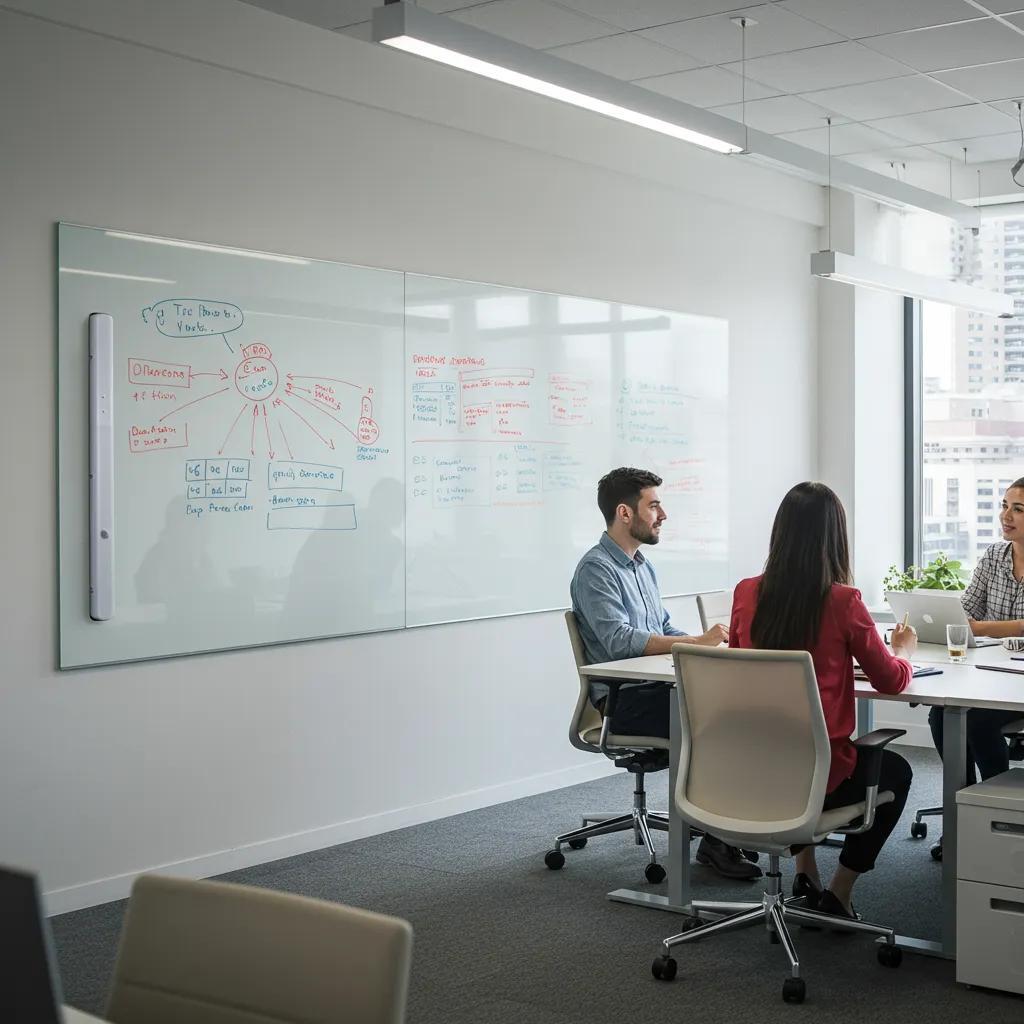
Glass whiteboards are a tempered glass writing surface that combines a smooth, non-porous panel with modern aesthetics and practical durability, making them a durable writing surface for offices that need longevity and easy maintenance. This article explains why tempered glass dry erase boards resist ghosting and staining, how they compare with melamine and porcelain options, and which selection and maintenance steps reduce total cost of ownership. Readers will learn design and functional advantages such as frameless and custom colour glassboards, magnetic glass writing panels, and choices that support hygienic shared workspaces. The piece also covers practical installation and cleaning routines, lifecycle cost considerations relevant to UK offices, and guidance for choosing the right panel size and mounting type. Along the way you’ll find comparison tables, concise benefit lists, maintenance checklists and purchase-discovery pointers so you can evaluate long-lasting office display boards with confidence.
What Are the Key Benefits of Glass Whiteboards for Offices?
Glass whiteboards deliver several interlinked benefits that matter in professional settings: durable tempered glass panels resist scratches and dents, the non-porous surface prevents marker staining and ghosting, and frameless or custom-colour options improve room aesthetics. Tempered glass as a material reduces long-term replacement needs, supporting a lower total cost of ownership compared with cheaper surfaces. For shared meeting rooms the hygienic advantage — a smooth surface that tolerates alcohol-based cleaning — reduces infection risk and simplifies cleaning protocols. Below is a short feature-to-benefit EAV table showing how specific attributes translate into direct office advantages.
|
Feature |
Attribute |
Office Benefit |
|---|---|---|
|
Tempered glass panel |
High scratch and impact resistance |
Longer service life and fewer replacements |
|
Non-porous surface |
Resists staining and ghosting |
Cleaner appearance and lower maintenance effort |
|
Magnetic option |
Embedded magnetic backing |
Use for notices and flexible collaboration |
These benefits make glass boards particularly suited to high-use meeting rooms, client-facing spaces and collaborative hubs where appearance, hygiene and durability are priorities. Understanding these attributes leads naturally into how tempered glass achieves that durability and why cleaning routines matter.
How Does Tempered Glass Provide Superior Durability and Longevity?
Tempered glass is heat-treated to increase surface strength and fracture resistance, which gives a tempered glass dry erase board strong scratch resistance and a reduced chance of damage in busy offices. This material process creates a durable writing surface that tolerates frequent marker use and occasional contact with pens, phones or cables; tempered glass panels therefore retain a like-new appearance longer than softer surfaces. In semantic terms: Tempered glass → provides → enhanced mechanical resistance, which in turn → reduces → lifecycle replacement costs. For high-traffic rooms this longevity translates into lower disruption and fewer procurement cycles.
Why Are Glass Whiteboards More Stain Resistant and Easier to Clean?
A glass board’s non-porous composition prevents markers from sinking into the surface, so dry erase markers wipe away cleanly without leaving permanent residue, which is why glass boards are often described as non-ghosting office whiteboards. Recommended cleaning is simple: wipe daily with a microfiber cloth, use alcohol-based or dedicated glass cleaners for heavier marks, and perform a monthly deep clean to preserve appearance. These routines reduce reliance on abrasive cleaners and protect surface coatings, which helps maintain both hygiene and presentation quality in shared spaces.
How Do Glass Whiteboards Compare to Traditional Whiteboards?
Glass whiteboards compare favourably on durability, aesthetics and maintenance while traditional options often win on upfront cost; the key practical trade-off is initial purchase price versus total cost of ownership over several years. For UK businesses evaluating options, consider replacement frequency and cleaning labour — glass boards typically require less frequent replacement and less intensive stain treatment, which can offset higher initial cost. Below is a compact comparison table summarising material differences and likely office impacts.
|
Surface Type |
Durability |
Maintenance |
Typical Lifespan |
Aesthetic |
|---|---|---|---|---|
|
Glass |
Very high (tempered) |
Low — easy clean |
Long (many years) |
Modern, frameless options |
|
Melamine |
Low–medium |
Higher — prone to ghosting |
Short (replace every few years) |
Functional, budget-friendly |
|
Porcelain |
High |
Moderate — can resist stains |
Long |
Classic whiteboard look |
This table clarifies that glass boards usually offer superior longevity and lower long-term maintenance, while melamine suits occasional or budget installations. For procurement teams, assessing value means modelling lifespan, cleaning costs and downtime rather than focusing only on upfront price. It is worth noting that some suppliers maintain dedicated "Glass Whiteboard" product categories, which can help buyers compare specifications and mounting options when sourcing panels.
What Are the Differences Between Glass, Melamine, and Porcelain Whiteboards?
Glass, melamine and porcelain differ in core material properties: glass is non-porous and tempered for strength; melamine is a resin surface on a substrate that is inexpensive but absorbs ink over time; porcelain is ceramic-coated steel baked onto a substrate offering a hard, durable finish. These material differences affect stain resistance, susceptibility to ghosting, typical warranty expectations and perceived value in client-facing rooms. Choosing between them depends on use frequency, desired appearance and long-term maintenance budgets.
Which Whiteboard Type Offers Better Value for UK Businesses?
Value assessment should weigh total cost of ownership: calculate replacement intervals, cleaning labour and the impact of downtime during swaps. For busy offices with daily meetings, glass often yields better value over time despite higher initial cost because it reduces replacement cycles and cleaning effort. For low-use or temporary spaces, melamine can be adequate. Consider practical examples: a busy collaboration hub benefits from the long-lasting office display board qualities of glass, whereas rarely used breakout rooms may prioritise lower upfront spend.
What Design and Functional Advantages Do Glass Whiteboards Offer?
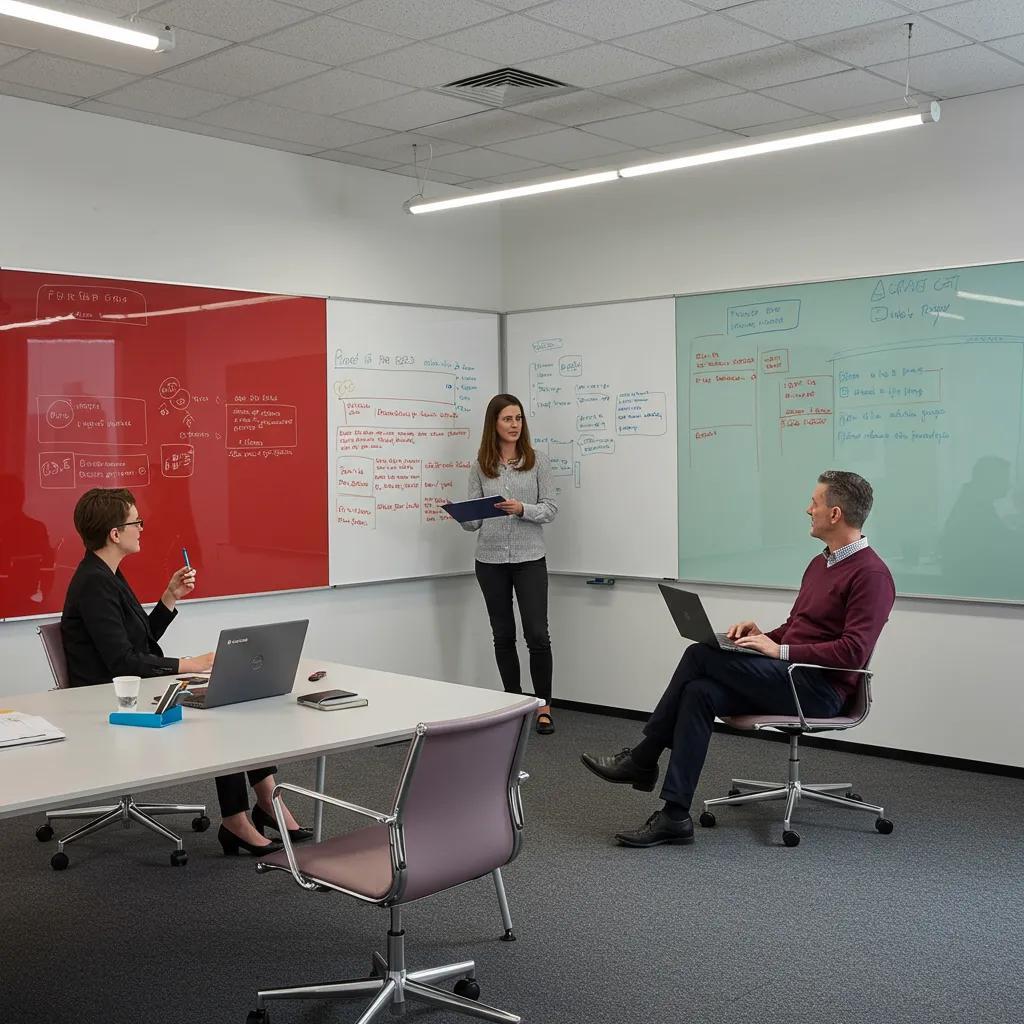
Glass whiteboards expand design options: frameless panels create clean sightlines, custom colour glassboards can match branding, and large-format or mobile glass panels support flexible layouts. These design choices elevate professional spaces and help align office interiors with corporate identity. Functionally, magnetic glass writing panels and projection-friendly surfaces increase versatility for hybrid meetings, workshops and visual presentations. Below is a short list of collaboration-focused features and a brief summary table showing how features map to use-cases.
- Magnetic backing allows pinning documents and planning overlays during workshops.
- Frameless design creates a minimalist, client-ready backdrop in meeting rooms.
- Mobile panels enable reconfigurable spaces for agile teams.
These functional features help offices adapt to varied collaboration scenarios, from whiteboard brainstorming to hybrid meeting displays. Retail suppliers commonly list magnetic, frameless and mobile panels among their glass whiteboard options; for example, Retail Display Direct identifies glass whiteboards and several variants on its product navigation, useful for buyers comparing formats and mounting choices.
|
Feature |
Functional Role |
Ideal Use-Case |
|---|---|---|
|
Frameless finish |
Seamless integration with decor |
Client-facing boardrooms |
|
Magnetic option |
Holds documents and accessories |
Workshops and agile teams |
|
Mobile panel |
Reconfigurable workspace |
Flexible collaboration zones |
This combination of design and utility supports both visual branding and practical meeting needs, leading teams into selection and maintenance decisions.
How Do Frameless and Custom Colour Options Enhance Office Aesthetics?
Frameless glassboards produce a sleek, continuous surface that reflects light and complements modern office fit-outs, making rooms feel larger and more polished. Custom colour glassboard options let organisations integrate brand hues into meeting rooms without sacrificing functionality, so glass boards serve both as writable surfaces and subtle brand backdrops. When deployed in reception areas or client-facing spaces, these visual choices reinforce professionalism while remaining fully functional tools for collaboration.
What Functional Features Make Glass Whiteboards Ideal for Collaboration?
Glass boards support collaborative work through features like magnetic surfaces for quick document display, compatibility with projection equipment for hybrid presentations, and large-format or joined panels for team planning. Mobile glass whiteboards enable shifting layouts during workshops, and frameless panels offer continuous writing space for extended sessions. Examples include using a magnetic glass panel to attach sprint backlogs during planning or positioning a mobile glassboard to create breakout zones in a larger room.
How Should You Choose and Maintain a Glass Whiteboard for Your Office?
Selecting the right glass whiteboard requires matching panel size, mounting type, magnetic versus non-magnetic needs, and colour to room function and traffic levels; these decision points determine both usability and lifecycle costs. Installation choices — fixed wall mount, rail system or mobile stand — affect flexibility and may influence whether professional fitting is recommended. Cleaning and simple maintenance routines preserve the board’s non-ghosting surface and aesthetic quality, reducing long-term replacement risk.
|
Decision Area |
Question to Ask |
Practical Tip |
|---|---|---|
|
Size |
How much continuous writing space do you need? |
Choose larger formats for team rooms |
|
Mounting |
Fixed or mobile? |
Mobile for multi-purpose spaces |
|
Magnetic |
Do you need pin-up capability? |
Select magnetic backing if required |
Following these selection prompts helps procurement teams align purchases with office workflows and budgets, bringing together design, functionality and value considerations.
What Factors Should You Consider When Selecting a Glass Whiteboard?
When choosing a glass board consider room usage intensity, mounting preferences, whether a magnetic glass writing panel is required, and colour options for branding. Also evaluate compatibility with projection if you use hybrid meetings, and confirm that the panel dimensions fit wall studs or stand footprints. These checks reduce installation surprises and ensure the chosen board meets daily operational needs.
How Can You Properly Clean and Maintain a Glass Whiteboard to Prevent Ghosting?
A straightforward cleaning routine keeps glass boards looking new: daily wipe with a microfiber cloth, spot-clean heavier marks with isopropyl alcohol or a dedicated glass cleaner, and perform a monthly deep-clean to remove any residual residue. For stubborn marks use a non-abrasive cleaner and avoid harsh scrubbing that could damage mounting hardware; if magnetic accessories are used, clean around mounts frequently. Regular maintenance prevents ghosting, maintains hygiene for shared offices and extends the effective lifespan of the board.
For more detailed specifications and buying options, consider checking supplier product categories dedicated to glass whiteboards — many suppliers, including Retail Display Direct, present magnetic, frameless and mobile glass panels within a clear product category to help you compare sizes, mounting styles and features before purchase.