
10 Creative Cork Board Ideas for Your Home Office to Boost Organisation and Style
9th Feb 2026
A cork board is a versatile notice board for pinning notes, visuals and reminders — a compact tool that boosts organisation and adds personal style to a home office. This guide shows how a cork board improves productivity, furnishes ten creative uses you can implement quickly, explains how to choose a durable board, and outlines maintenance and accessories to keep it useful long term. If you juggle deadlines, projects and inspiration, a well-planned cork board externalises tasks and reduces digital clutter while keeping priorities visible. Read on for practical, styled ideas — from vision-board hubs to magnetic hybrid panels — plus checklists, quick DIYs and sourcing guidance tailored to Australian buyers. The article covers why cork boards matter, ten creative implementations with materials and time estimates, selection criteria including material and mounting, and upkeep tips so your board stays attractive and functional.
Why Is a Cork Board Essential for Your Home Office Organisation?
A cork board is essential because it provides immediate visual organisation, supports goal-setting and reduces cognitive overhead by externalising reminders and priorities. It works by turning abstract tasks into tangible pinned items, which improves recall and task triage, and it offers a permanent display area for inspiration and frequently used reference materials. Today’s hybrid work setups benefit from a simple analogue anchor to capture ideas and sync with digital workflows. Below are three core benefits that explain why a cork board should be part of your home office toolkit.
- Immediate visual organisation: pin and prioritise tasks at a glance.
- Inspiration and goals: display vision pieces to reinforce motivation.
- Reduced digital overload: keep essential info analogue for quick access.
These advantages make a cork board a compact productivity tool that complements digital calendars and task apps, and they lead naturally into how a board supports daily routines and creativity.
How Does a Cork Board Improve Productivity and Inspiration?
A cork board improves productivity by externalising tasks, creating a visual queue for action and simplifying daily triage between urgent and important items. Pinning a short to-do list, reference numbers, quick sketches or a photo for motivation reduces time spent searching digital files and supports focused work blocks. For inspiration, a dedicated vision area or rotating theme prompts creative thinking and reminds you of long-term goals during routine tasks. Implement a morning triage ritual: scan the board, move three top tasks to a "today" zone, and close the session by removing completed pins to reinforce progress.
This practical routine dovetails with board-selection choices that suit your style and space.
What Types of Cork Boards Suit Different Home Office Styles?
Different cork board types match distinct home office aesthetics and functional needs: framed boards suit traditional desks, slim unframed panels work in minimalist setups, and large tiles offer modular gallery arrangements. Material choices like natural cork, compressed cork tiles or magnetic hybrid surfaces affect durability and the weight of items you can attach. Consider frame finishes—wood for warmth, aluminium for a modern look—and scale the board to wall space so it remains proportional. Image suggestions include pairing a slim neutral board above a compact desk or arranging multiple sizes into a staggered gallery for visual interest.
Choosing the right board leads into specific creative ways to use it effectively in your space.
What Are 10 Creative Cork Board Ideas to Transform Your Home Office?
This section lists ten creative cork board concepts with one-line descriptions to inspire immediate implementation and to act as a quick reference for readers seeking home office cork board inspiration.
- Vision board hub — centralise goals, images and short-term milestones for motivation.
- Minimalist memo strip — slim framed board for essential pins and daily notes.
- Fabric-covered board — personalise texture and colour with durable fabric layers.
- Organisation hacks grid — use zoned sections to separate projects and errands.
- Gallery wall mix — combine framed cork panels with prints and photos for visual impact.
- Magnetic-cork hybrid — attach magnets and pins for flexible note management.
- Cork board calendar — monthly grid with reusable labels for time management.
- Eco-friendly cork options — choose natural or recycled cork and low-VOC frames.
- Large zoned board — divide a big board into project lanes or workflows.
- DIY decorative projects — stencil, trim and frame to match office decor.
Each idea below explains purpose, materials and a quick tip for execution that fits a range of skill levels.
How to Create a Vision Board Hub for Goal Setting and Motivation
A vision board hub is a focused cork area that organises visual goals and short written intentions to boost motivation and clarify direction. Choose a medium board, add photos, concise goal notes and a small weekly checklist, then update it monthly to track progress. Use easy-to-swap pins or clips so visuals can change with priorities, and position the hub within eye line of your primary workspace to maximise cueing. A brief daily glance at the hub helps reinforce long-term objectives while informing immediate planning.
This approach complements minimalist treatments that follow.
What Are Stylish Minimalist Cork Board Designs for Small Offices?
Minimalist cork boards favour slim profiles, neutral tones and dual-function designs that combine memo space with small whiteboard areas. Select a narrow framed board placed above a compact desk, then limit pinned items to three essentials to avoid visual clutter. Mounting options like picture rails or hooks save desk space and maintain a clean aesthetic. The result is a functional accent that supports productivity without overwhelming a small room.
From minimalist looks you can step into fabric-covered personalisation.
How Can You Use Fabric-Covered Cork Boards for Personalised Decor?
Fabric-covered cork boards add texture and a coordinated colour palette to your office, transforming a functional object into an integrated decor element. Use durable upholstery fabrics and optional thin batting to create a soft, dimensional surface that still accepts pins reliably. Secure fabric to the board’s back and use neatly finished edges or a slim frame for a polished result. Coordinate fabric choices with chair upholstery or curtains for a cohesive, personalised workspace.
Fabric choices and assembly feed naturally into quick organisation hacks.
What Are Effective Cork Board Organisation Hacks for Busy Workspaces?
Organisation hacks divide a board into labelled zones—action, waiting, reference—and use colour-coded pins or washi tape to signal priority. Create a pinned template for weekly planning and a small pocket for receipts or business cards to keep loose items tidy. Reusable labels and a compact legend help anyone sharing the space understand the system at a glance. These hacks reduce decision fatigue and keep essential items accessible during intense work sessions.
A gallery wall layout expands visual interest while preserving function.
How to Design a Gallery Wall with Cork Boards for Visual Inspiration?
Design a gallery wall by mixing framed cork panels with photos and prints, arranging pieces around a central focal point and using consistent spacing to maintain rhythm. Vary frame sizes slightly but keep a unified palette for cohesion, and include a larger cork panel as an interactive element for rotating inspiration. Balance is achieved by alternating static art with changeable pinboards, allowing your gallery to evolve with projects and seasons. This layered approach supports both creativity and organisation.
Hybrid magnetic options add another layer of flexibility for attachments.
What Are Magnetic Cork Board Ideas for Flexible Note Management?
Magnetic cork boards or hybrid panels combine cork’s pin-friendly surface with a thin magnetic layer to hold heavier items using magnets. Use small, strong magnets for photos, metal clips for documents and pins for lightweight notes; the hybrid system offers flexible attachment methods. This setup is ideal when you need to switch between taped references and pinned reminders frequently. It works especially well for project boards that require attaching printouts and metal folders.
A cork board calendar adapts these techniques for scheduling.
How to Incorporate a Cork Board Calendar for Time Management?
A cork board calendar uses a pinned grid or detachable card system to represent months and weeks visually, allowing rapid updates without rewriting. Create a reusable grid with labelled pin cards for events, priorities and deadlines, and assign colours to task types for immediate differentiation. Pair the calendar with a small notes zone for weekly action items and sync key dates with your digital calendar for redundancy. This tactile system keeps commitments visible and reduces missed deadlines.
Sustainability options address material and sourcing concerns next.
What Are Eco-Friendly Cork Board Options for Sustainable Home Offices?
Eco-friendly cork boards use natural cork harvested responsibly or recycled cork composites and pair with low-VOC frames and adhesives to minimise environmental impact. Choosing durable cork and repair-first approaches extends product life, which is an important sustainability strategy. Look for vendors offering reclaimed frames or options to customise without excess packaging. Longevity and repairability often produce a lower lifetime footprint than disposable alternatives.
|
Idea |
Materials Needed |
Time / Skill Level |
|---|---|---|
|
Vision board hub |
Cork panel, pins, photos |
30–60 min / Easy |
|
Fabric-covered board |
Cork board, fabric, batting |
60–90 min / Moderate |
|
Magnetic hybrid |
Magnetic sheet + cork |
45–60 min / Moderate |
|
Cork calendar |
Cork panel, labels, pins |
30–45 min / Easy |
|
Gallery wall |
Multiple panels, frames |
60–120 min / Moderate |
This table helps you pick an idea based on available time and DIY comfort, making it simpler to start a project today.
How to Use Large Cork Boards for Comprehensive Office Organisation?
Large cork boards function as project trackers when divided into clear lanes for phases like backlog, active and completed tasks, and they work well for multi-project households. Use labelled strips and colour-coded pins to indicate priority and ownership, and protect the wall with backing or trim to prevent damage. Ensure mounting hardware matches board weight and wall type for safety and durability. Positioning a large board centrally encourages shared visibility and collaborative planning.
Practical DIY projects personalise boards while keeping them long-lived.
What Are DIY Cork Board Projects to Add Unique Personal Touches?
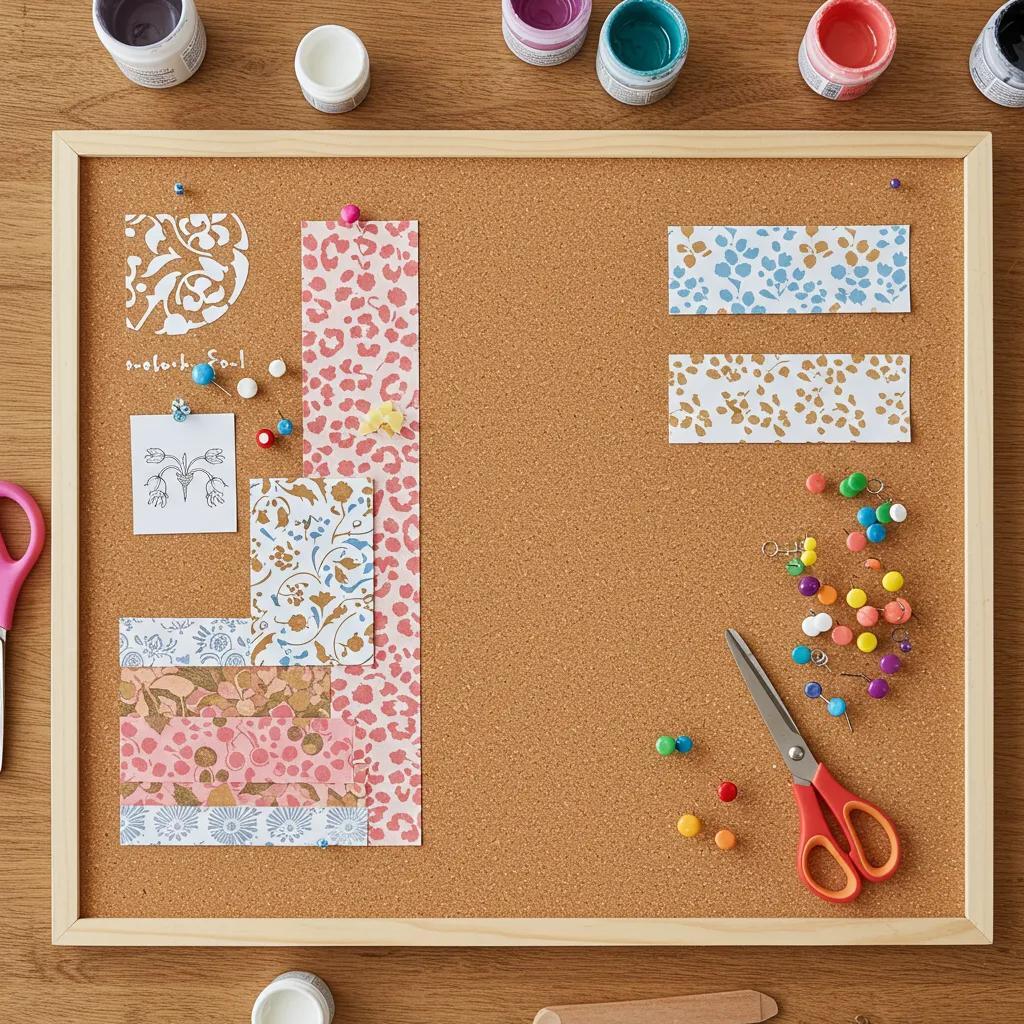
DIY projects like stencilling patterns, adding trim or combining cork tiles into shapes allow creative expression while retaining utility. Use low-VOC paints or fabric overlays to add colour, and reinforce edges with frames for durability. Time investments vary—simple stencilling takes under an hour while tiled mosaics may take several afternoons. These projects make a cork board feel bespoke and can refresh a workspace without replacing core materials.
A small reference table below compares board types for selection decisions covered next.
|
Board Type |
Material / Durability |
Best Use-Case |
|---|---|---|
|
Framed cork board |
Natural cork, protected edge |
Traditional desks, decorative spaces |
|
Unframed panel |
Lightweight cork, sleek look |
Minimalist small offices |
|
Magnetic-cork hybrid |
Cork over magnetic backing |
Flexible attachments, heavier items |
How Do You Choose the Best Cork Board for Your Home Office Needs?
Choose a cork board by assessing size, material quality, frame type and mounting method against your workflow and wall space. Size planning ensures the board is visible but not overwhelming; material density impacts longevity and pin retention; and mounting hardware must match wall substrate for secure installation. Prioritise features like replaceable panels or custom sizes if you plan modular layouts, and consider eco-friendly materials if sustainability matters to you. Below is a concise checklist to guide purchasing decisions.
- Select a size proportional to your wall and viewing distance.
- Check cork density and backing for long-term pin performance.
- Choose a frame material that complements your decor and protects edges.
After evaluating these features, you may want to source ready-made or customisable boards from local suppliers that specialise in display products and pinboards.
Retail Display Direct is an example of a supplier that lists "Cork Board & Pinboard" under notice board navigation and supplies durable, quality cork boards with customisation options. Consider suppliers like this for ready-made panels or bespoke sizes when you need durable materials and local availability in Australia.
What Features Should You Look for in Quality Cork Boards?
Quality features include medium-to-high cork density for pin retention, a stable backing to prevent sagging, robust mounting hardware and a protective frame to guard edges from wear. Dense cork holds pins securely and recovers between uses, while a solid backing prevents bending and ensures the surface remains flush with the wall. Check that mounting brackets are included or specified for the wall type you have. These features prolong useful life and reduce the need for frequent replacement.
Knowing where to buy locally follows naturally from selection criteria.
Where Can You Find Customisable and Durable Cork Boards in Australia?
Local suppliers and specialised notice-board retailers often list cork board and pinboard categories and may offer custom sizes, frame finishes and durable material options for home office use. When evaluating suppliers, review product descriptions for cork density, customisation capabilities and available mounting hardware to ensure they meet your needs. Look for businesses that explicitly offer custom panels or bespoke options to match non-standard spaces. Local availability can reduce shipping time and allow easier returns or exchanges when sizing or finishes need adjustment.
After purchase, maximise longevity with straightforward maintenance and the right accessories.
How Can You Maximise Your Cork Board’s Potential for Long-Term Use?
Maximise a cork board’s life through regular maintenance, content refreshes and purposeful accessories that reduce wear and increase functionality. Rotate pinned items to avoid concentrated hole areas, use a mix of pins and clips to distribute stress, and gently clean the surface with a dry brush or soft cloth to remove dust. Schedule quarterly refreshes to declutter and replace worn areas, and repair small holes with cork filler where needed. Accessories such as labelled pins, pockets and small trays make the board more functional while preserving its surface.
- Rotate and redistribute pinned items monthly to prevent permanent damage.
- Use pockets and small baskets for loose items to reduce direct pinning.
- Repair worn spots with cork patch or replace panels as needed.
These practices keep your board effective and attractive, ensuring it remains a central organising tool for years.